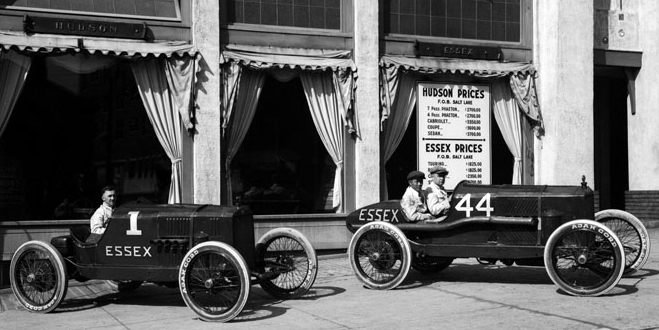
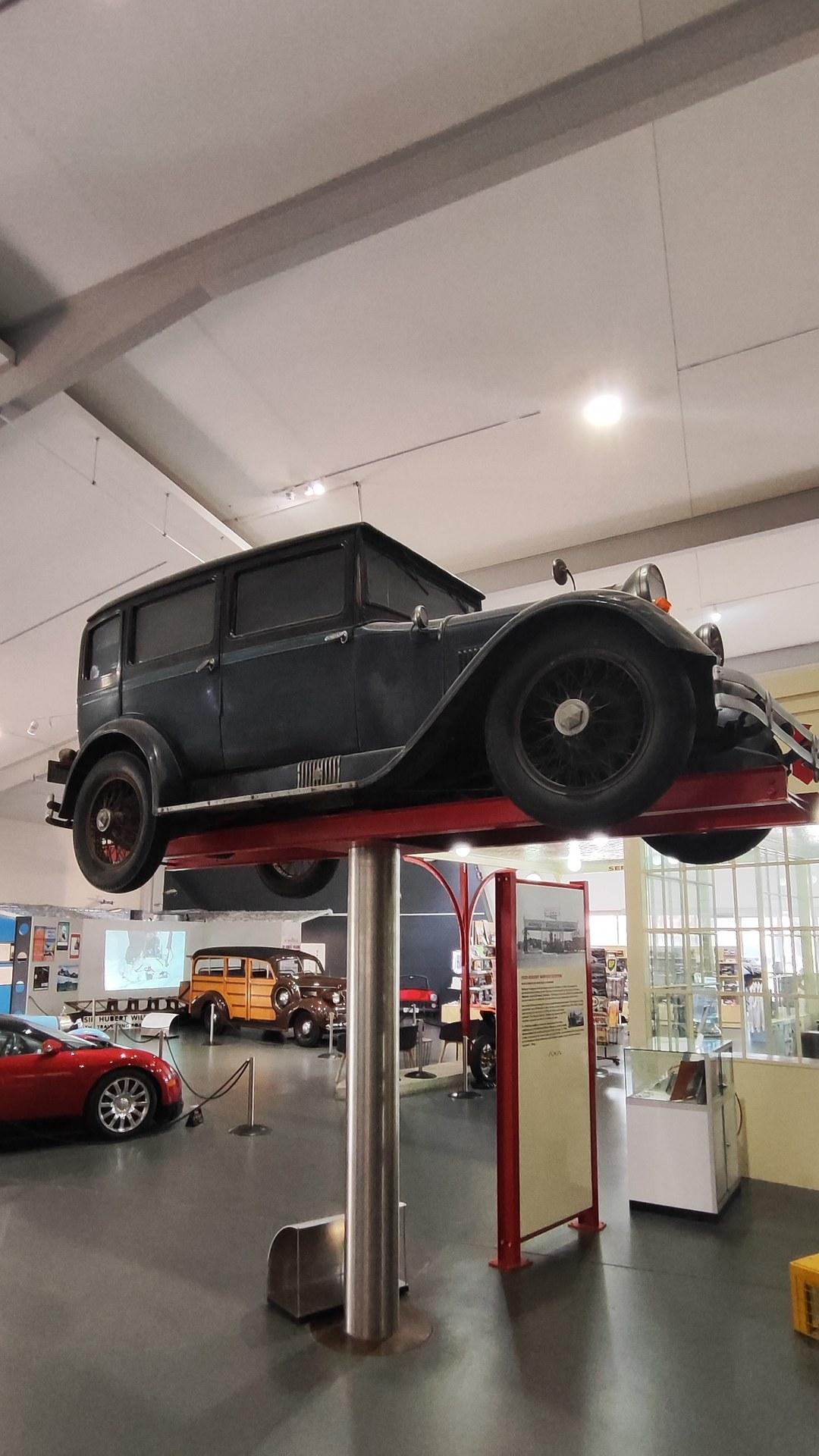
The Essex car brand, born from the ambition to democratize automobile ownership, commenced its journey under the Hudson Motor Company in 1919. Pioneering with models aimed at the average American, Essex introduced one of the first affordable sedans, striking a chord with budget-conscious buyers. The brand was instrumental in shifting American preference from open touring cars to enclosed passenger compartments, a significant transition in automotive history.
Essex's most notable achievement came with the introduction of its closed coach model in 1922, priced competitively at just $300 above its open touring car. This model catalyzed a shift towards more affordable enclosed cars, setting the stage for Essex's peak in 1929 when it ranked third in U.S. auto sales. The durability and affordability of Essex cars were so respected that they were used in rigorous tests by organizations like the AAA and the United States Post Office, and even set records in endurance and hill climbs.
However, the Essex brand began to see a decline in the early 1930s, leading to a rebranding as the Essex-Terraplane in 1932, and eventually being phased out in 1933 when the Terraplane emerged under the Hudson marque. Despite its eventual discontinuation, Essex's legacy in making enclosed cars accessible to the masses remains a significant chapter in automotive history. The fusion of innovative engineering and market foresight by Hudson and Essex marked an era of transformation in the automotive landscape, echoing their pioneering spirit long after the brand's dissolution.