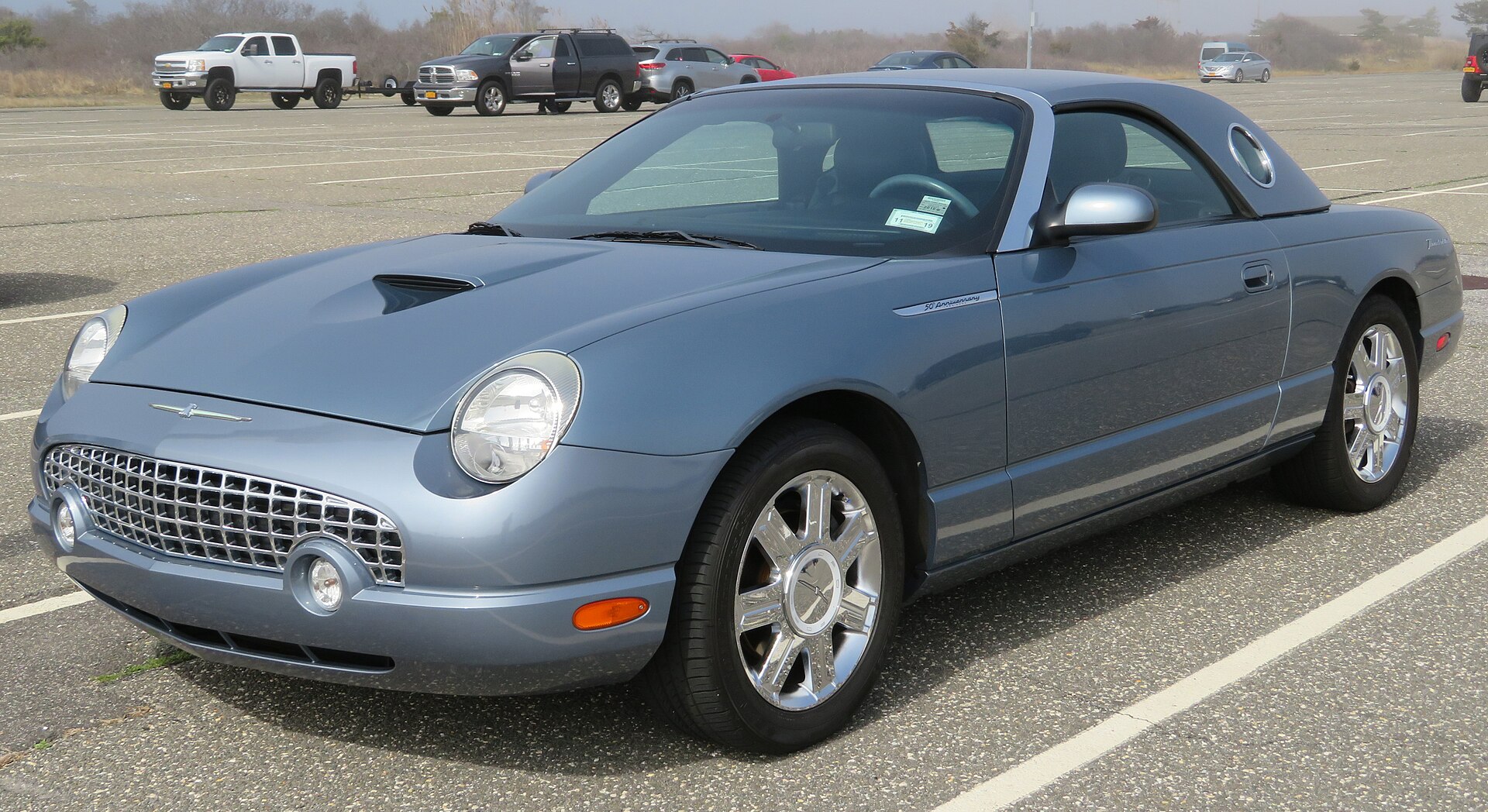
The ninth generation of the Ford Thunderbird, produced from 1983 to 1988, underwent a significant redesign in response to declining sales. The focus shifted towards performance and handling rather than pure luxury to distinguish it from the Ford Mustang. This transition marked a notable departure for the model line, emphasizing aerodynamic design and reduced drag coefficient (from 0.50 to 0.35), setting a trend for Ford vehicles in North America.
Key Points:
1. Redesign: The 1983 Thunderbird underwent one of its most substantial redesigns to revitalize sales following a downturn in the early 1980s.
2. Performance Emphasis: Ford repositioned the Thunderbird as a performance-oriented personal luxury coupe, moving away from its traditional focus on luxury and comfort content.
3. Aerodynamic Design: The ninth-generation Thunderbird introduced highly aerodynamic body design to Ford vehicles in North America, reducing drag coefficient significantly.
4. Shared Platform: The 1983 Thunderbird shared the Ford Fox platform with the previous generation but adopted a shortened wheelbase of 104.2 inches (2,647 mm).
5. Influence: The design direction of the ninth-generation Thunderbird influenced subsequent Ford vehicles like the 1984 Ford Mustang SVO, Ford Tempo, as well as the 1986 models of Ford Aerostar and Ford Taurus.
Overall, the ninth-generation Ford Thunderbird represented a significant shift in design and performance focus, setting the stage for aerodynamic advancements in