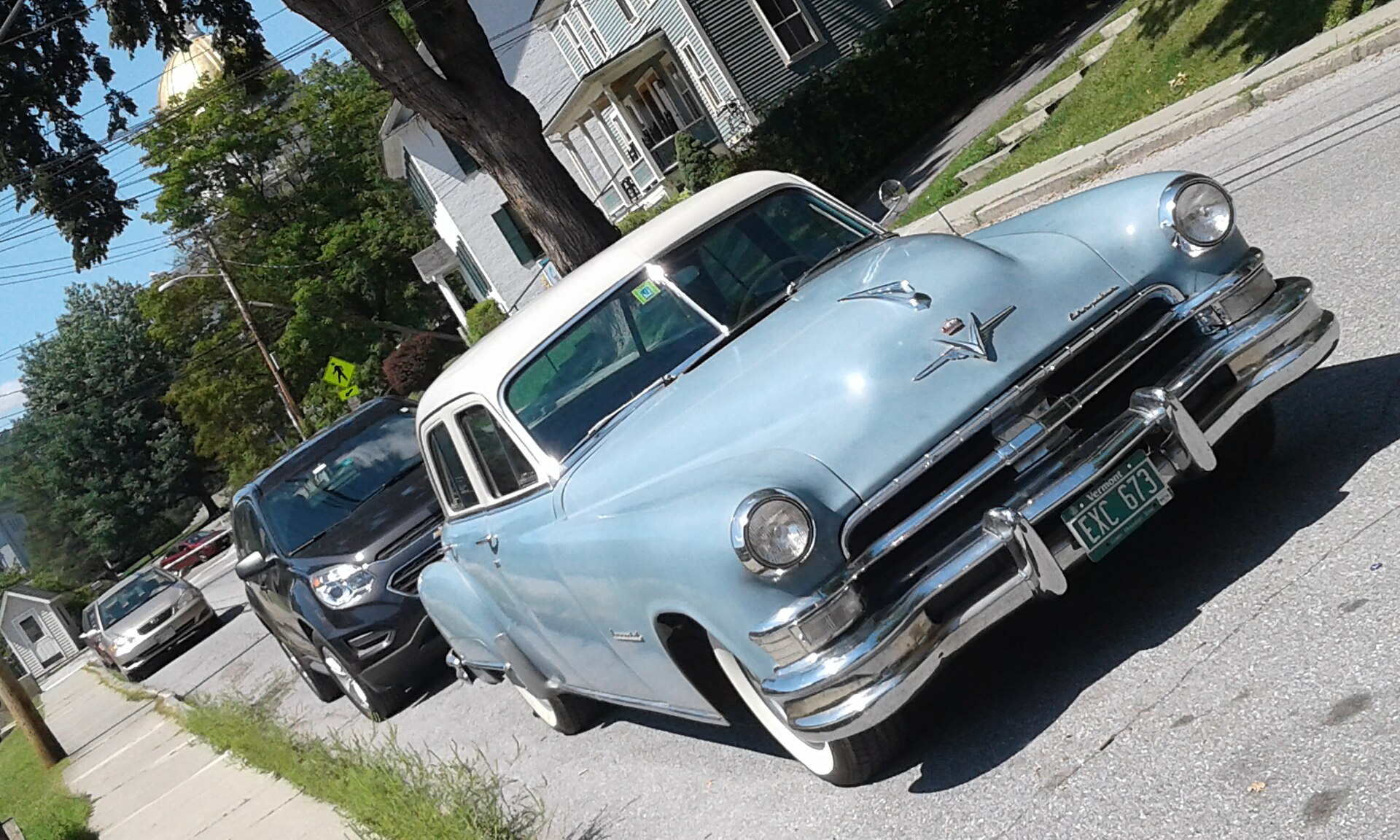
The Chrysler Imperial, initially introduced in 1926, served as Chrysler's flagship vehicle for a significant portion of its history. The models carried the Chrysler name until 1954, at which point they transitioned into a standalone brand before reverting back to the Chrysler name from 1990 to 1993. Positioned as a prestigious marquee, the Imperial aimed to compete with luxury brands like Cadillac, Lincoln, and Packard. The Imperial was associated with qualities of sovereignty, superiority, and excellence, aligning with its status as Chrysler's highest-priced model.
Throughout various generations, the Chrysler Imperial was the epitome of luxury and sophistication, catering to senior executives, government officials, royalty, and prominent figures. It was often considered a top choice for individuals seeking opulent transportation experiences, distinguishing itself from the more moderately priced Chrysler New Yorker.
Key Points:
1. The Chrysler Imperial was Chrysler's premium vehicle line, operating under both standalone and Chrysler brand names at different points in its history.
2. The cars were positioned as a high-end luxury option, intended to rival other prestigious automotive brands like Cadillac and Lincoln.
3. The term “Imperial” aptly conveyed qualities of sovereignty, superiority, and excellence associated with the flagship Chrysler models.
4. The Imperial was preferred by senior executives, government officials, and celebrities for its luxurious transportation experience.
5. Across multiple generations, the Imperial maintained its reputation as a symbol of luxury and sophistication, appealing to a prestigious clientele.