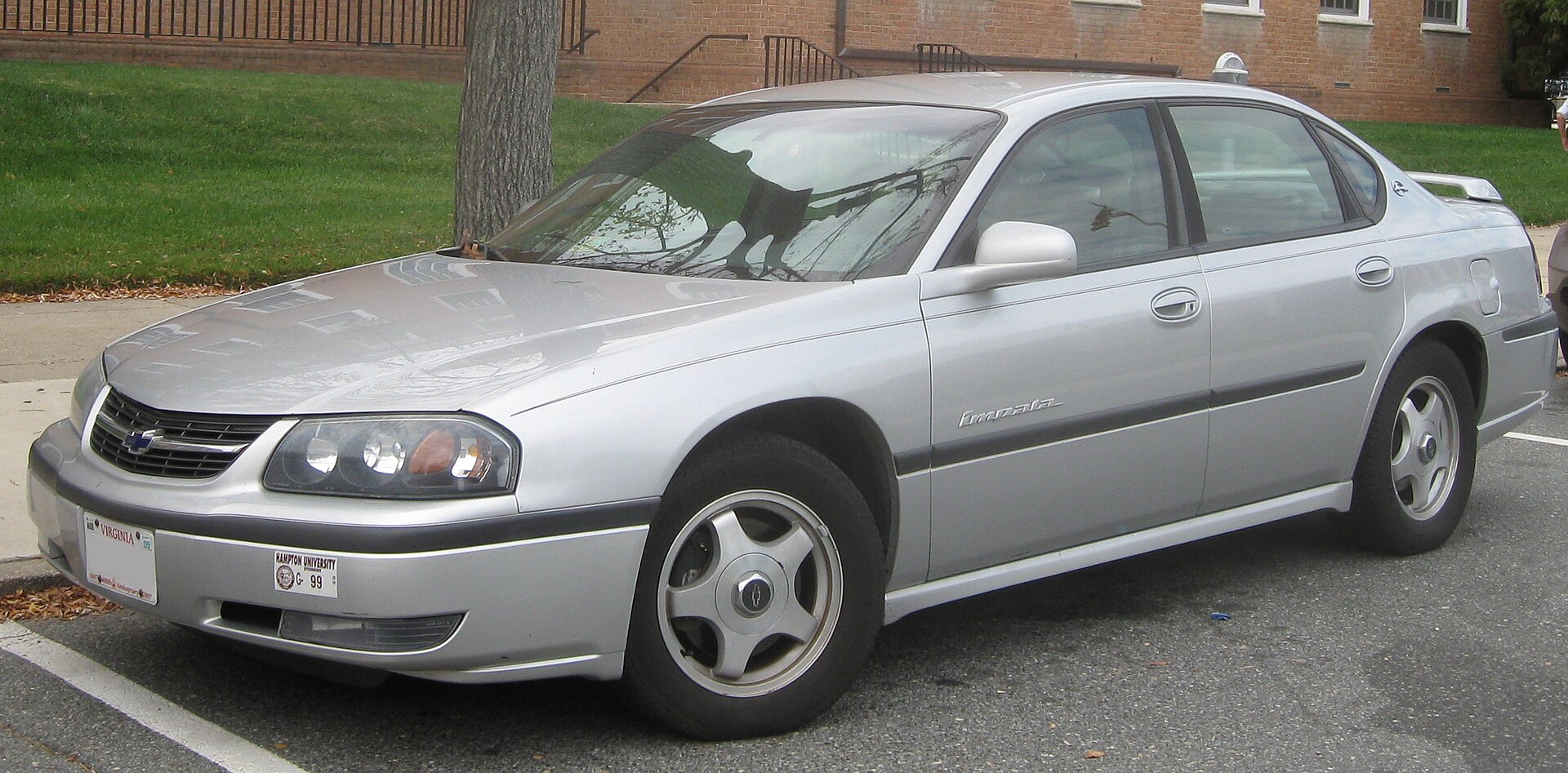
The fifth generation of the Chevrolet Impala, produced from 1971 to 1976, marked a significant evolution for the full-size car line. With a wheelbase of 121.5 inches (125 inches for station wagons), it became the largest generation of the Impala model. This generation featured various body styles, including four-door pillared sedan, four-door hardtop, two-door custom coupe, two-door sport coupe, and a two-door convertible.
Initially introduced as a higher-trim version of Chevrolet's full-size sedan line, the fifth-generation Impala eventually became the brand's base vehicle as sales of the Biscayne and Bel Air models came to an end in the United States. This shift in positioning reflected Chevrolet's strategic changes during the era.
Notably, the 1971 redesign of the B-body marked a milestone as the largest car ever offered by Chevrolet, showcasing the brand's commitment to size and performance. However, by the end of the fifth generation's production run in 1976, the Impala underwent a significant transformation. In 1977, the Impala became the first primary sedan line among the Big Three automakers to undergo downsizing, adapting to changing market demands and fuel efficiency considerations.
In summary, the fifth generation of the Chevrolet Impala from 1971 to 1976 represents a period of transition and innovation for the iconic full-size car line. From its initial position as a premium offering to its eventual role as Chevrolet's core sedan