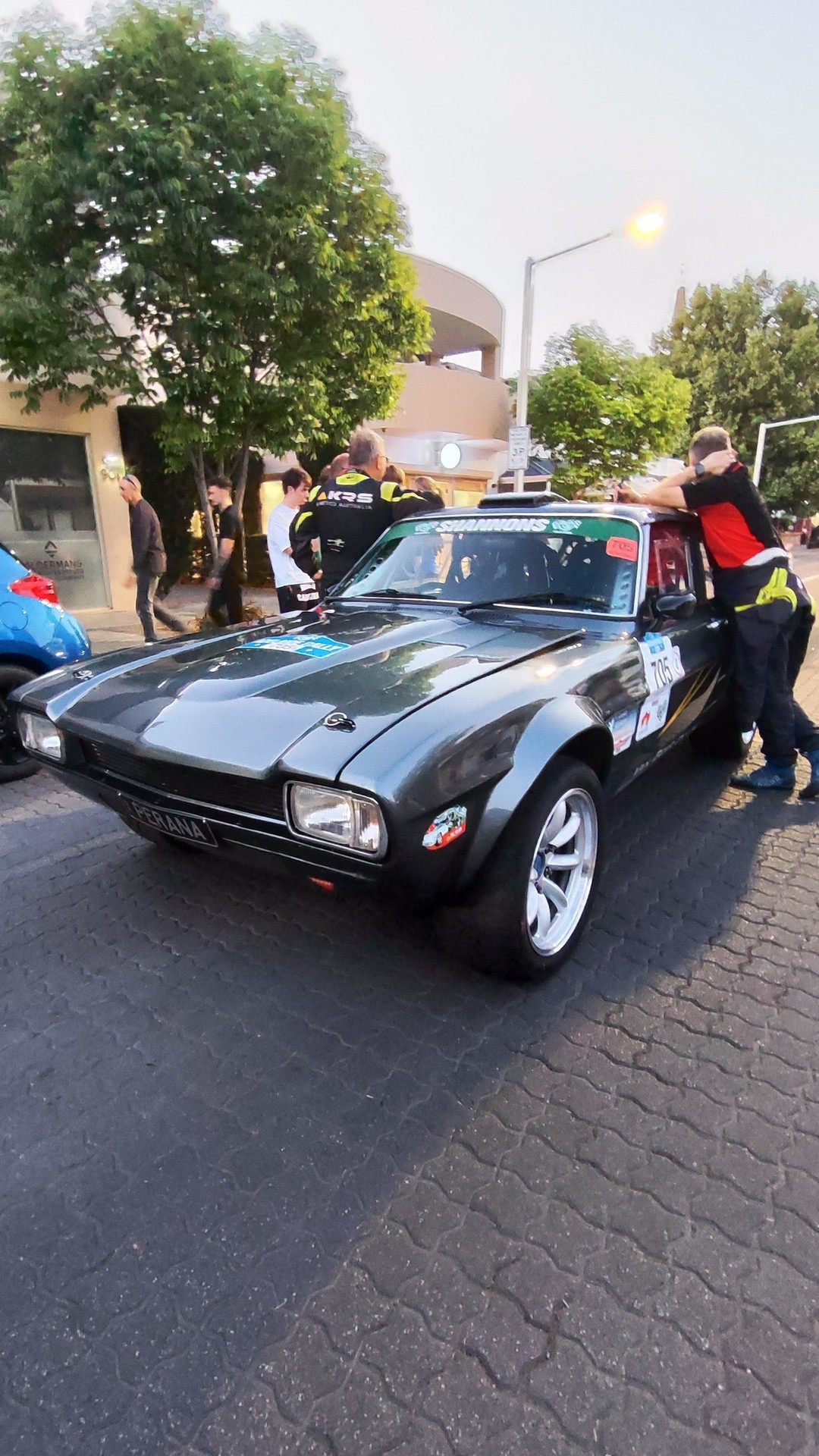
The Ford Capri, a fastback coupé designed by Philip T. Clark, was built by Ford of Europe and shared mechanical components with the Mk2 Ford Cortina. Intended to be the European equivalent of the Ford Mustang, the Capri proved to be a highly successful model for Ford, with a total of nearly 1.9 million units sold during its production run.
Key Points:
1. Design: The Ford Capri was designed by Philip T. Clark, who also worked on the design of the Ford Mustang. It featured a fastback coupé style that was popular during its era.
2. Mechanical Components: The Capri utilized the mechanical components from the Mk2 Ford Cortina, providing a reliable foundation for the vehicle.
3. Engine Options: The Capri offered a wide range of engine options throughout its production, including the Essex and Cologne V6 engines at the top of the range, and the Kent straight-four and Taunus V4 engines in lower-spec models.
4. Popularity: The Ford Capri was a popular model that resonated with European consumers, contributing to its considerable sales success and longevity in the market.
5. Successor: While the Ford Capri was not officially replaced, the second-generation Probe entered the European market in 1994 and was considered the spiritual successor to the Capri, carrying on the legacy of the fastback coupé design.
Overall, the Ford Capri's blend of appealing design, engine