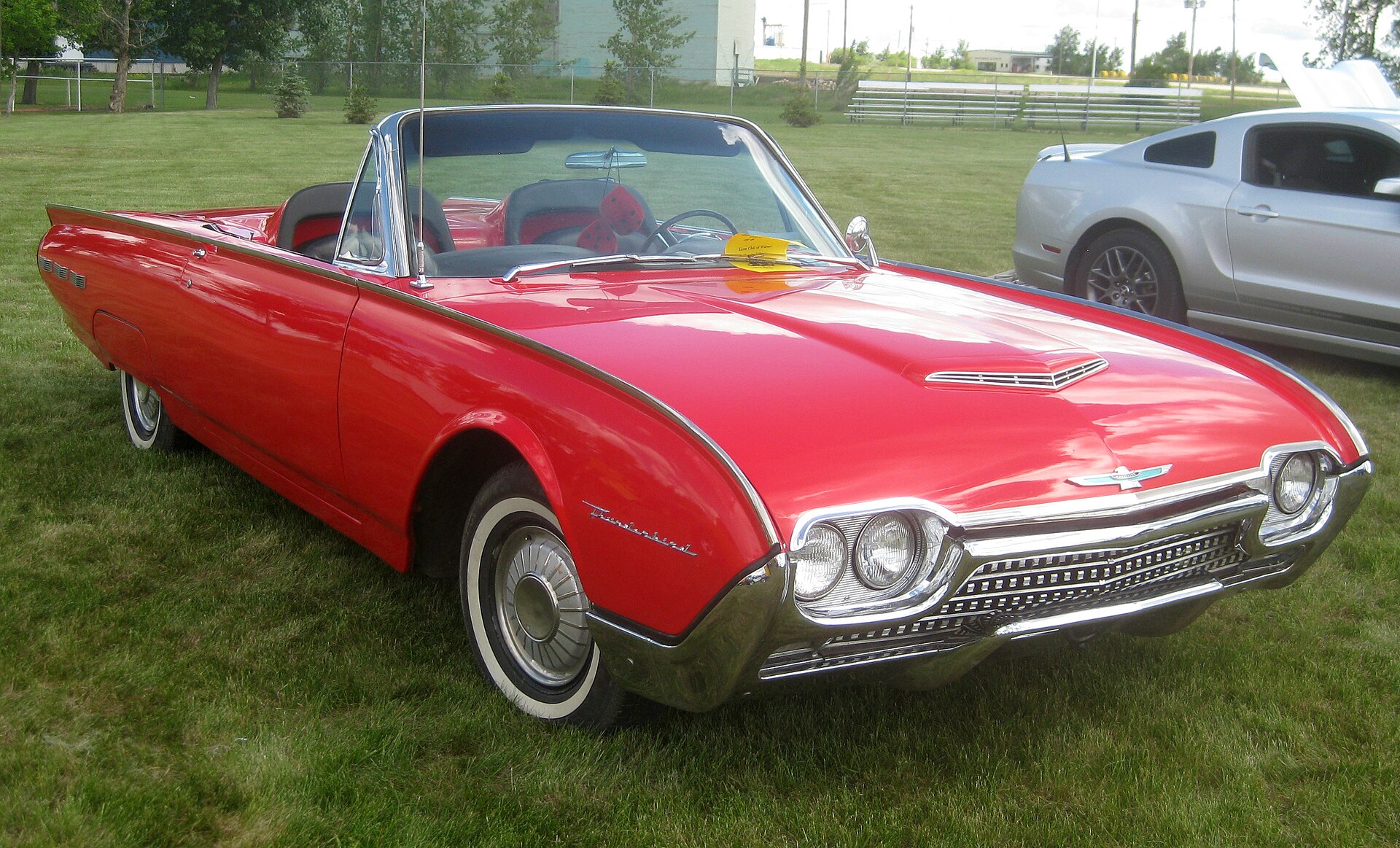
The first generation of the Ford Thunderbird, produced from 1955 to 1957, was a notable two-seat convertible by Ford. Pioneering the return of 2-seat design for Ford after nearly two decades, the Thunderbird was a response to the 1953 Motorama exhibit featuring the Chevrolet Corvette, itself developed due to the growing popularity of European sports cars in the American market.
Ford positioned the Thunderbird as a "personal car of distinction," a term that resonated both with the manufacturer and the automotive press of the time. Drawing inspiration from the bespoke roadsters of the 1930s, the Thunderbird cleverly incorporated existing components from Ford's lineup. This move to utilize pre-existing parts signified a turning point in the evolution of personal luxury cars, hinting at the future mass-market potential of this vehicle segment within the United States.
Key Points:
1. First generation Ford Thunderbird: A two-seat convertible in production from 1955 to 1957.
2. Response to Chevrolet Corvette: Created in reaction to the Corvette's debut at the 1953 Motorama exhibit, which was a response to the appeal of European sports cars.
3. Market Positioning: Branded as a "personal car of distinction" by Ford, a term embraced by contemporary automotive journalists.
4. Heritage and Innovation: Blending elements of 1930s roadsters with existing Ford parts, the Thunderbird marked a shift towards making personal luxury cars more accessible to the American