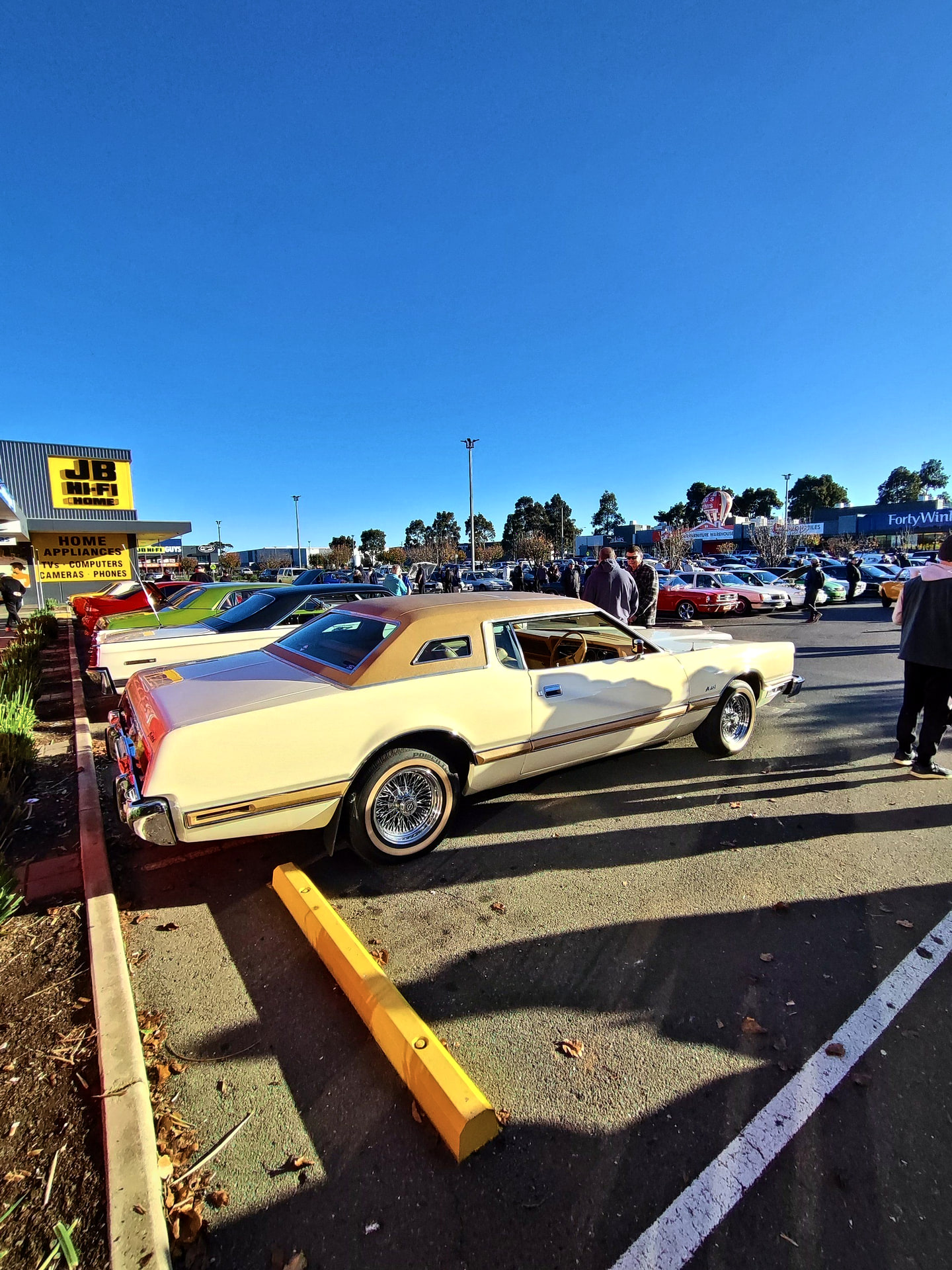
The first generation of the Ford Thunderbird, produced from 1955 to 1957, was a milestone in American automotive history as it marked the return of the two-seat convertible to Ford's lineup after nearly two decades. This model was created in response to the unveiling of the Chevrolet Corvette at the 1953 Motorama display, which highlighted the growing interest in European sports cars among American consumers.
Referred to as a "personal car of distinction" by Ford and automotive journalists, the Thunderbird combined elements of bespoke roadsters from the 1930s with modern manufacturing techniques. Despite its luxurious appearance, the car was built using many existing components, signaling a shift towards the mass production of upscale vehicles targeted at the American market.
Key points:
1. The Ford Thunderbird was a two-seat convertible produced from 1955 to 1957, marking Ford's return to the two-seat car segment since 1938.
2. The model was a response to the popular demand for European sports cars among American consumers, as evidenced by the success of the Chevrolet Corvette.
3. The Thunderbird was celebrated as a "personal car of distinction" by Ford and automotive journalists, blending classic design elements with modern manufacturing techniques.
4. Despite its luxury branding, the Thunderbird utilized existing components, indicating a transition towards mass-produced upscale vehicles in the United States.
5. This model laid the foundation for the personal luxury car segment, shaping the development of future vehicles in the American automotive industry.