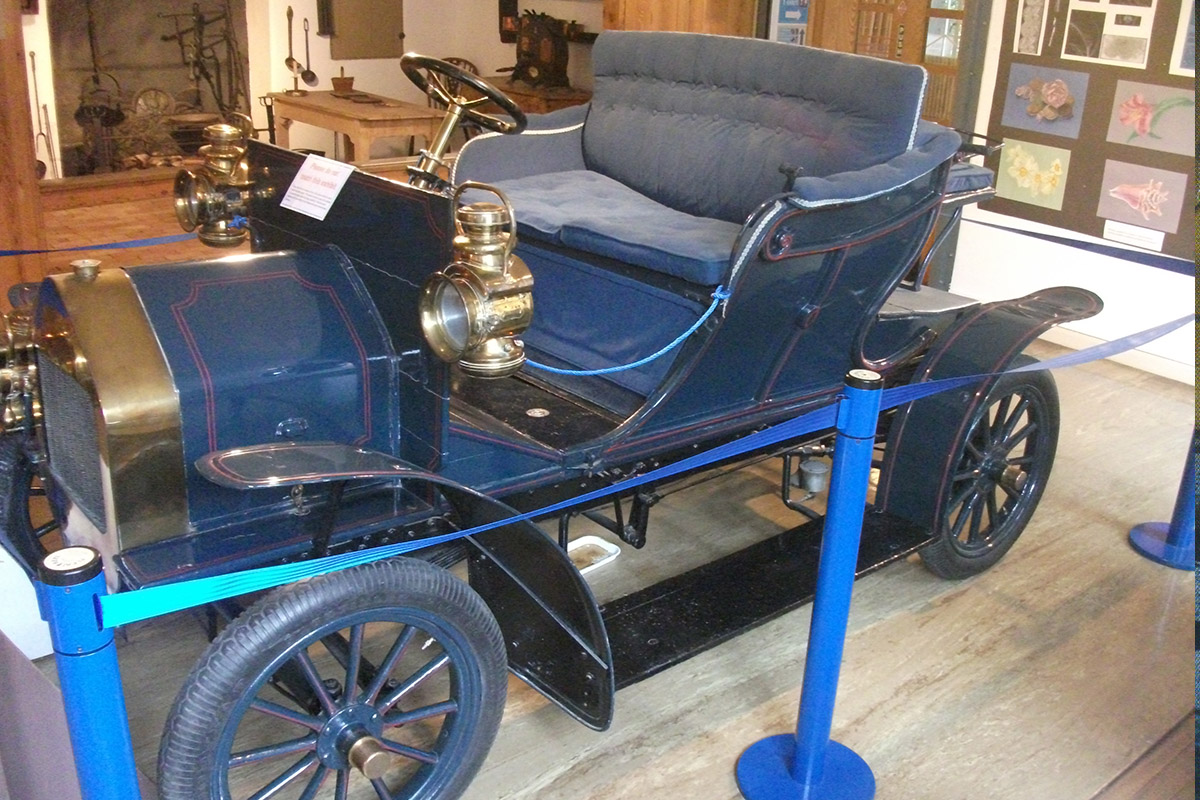
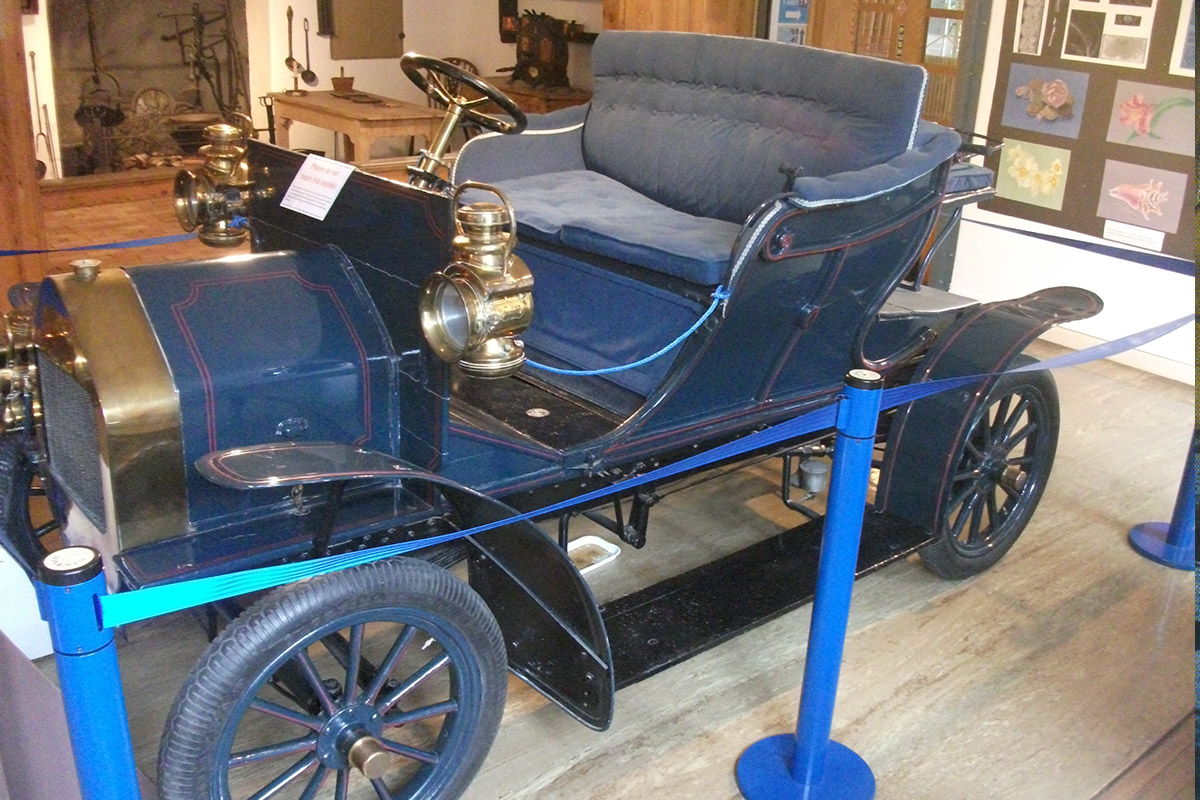
Adams, an English automobile manufacturer situated in Bedford, England, had its wheels spinning between 1905 and 1914. This automotive venture was brought to life by Arthur Henry Adams, who initially established the Igranic Works in Bedford in 1899. Initially, the company focused on crafting electrical equipment, but a twist of fate was about to steer them onto the road of automobile history.
The driving force behind this vehicular transformation was none other than the American-born Edward R. Hewitt. Hewitt had already made his mark in the world of innovation by assisting Sir Hiram Maxim in constructing a sizable steam-powered aircraft back in 1894. His inventive spirit led him to design a gas buggy inspired by the Oldsmobile. After striking a deal with Adams, the wheels of production started turning in 1905, giving birth to the Adams-Hewitt.
The Adams-Hewitt rolled onto the scene with a unique selling point – a seemingly foolproof two-speed epicyclic transmission, which later evolved into a three-speed version. Its beating heart was a 1724 cc 10 hp single-cylinder engine, positioned horizontally in the middle of the chassis, propelling the rear wheels via a chain. The slogan Pedals to push, that's all succinctly encapsulated its user-friendly appeal.
However, as the automotive landscape evolved, so did Adams. In 1906, they introduced a more conventional lineup of vehicles featuring shaft-drive mechanisms and vertical engines. By 1907, sliding mesh gearboxes were the order of the day. Among their clientele, even the Emperor of Abyssinia took a fancy to one of their offerings.
Adams didn't limit themselves to a single engine configuration; their repertoire encompassed two- and four-cylinder models, with a significant milestone being one of the first British V-8s. This V-8 marvel boasted a muscular 7270 cc 35/40 hp engine, drawing inspiration from the French Antoinette model, an aero engine for which Adams acted as agents. Regrettably, the V-8's reputation was tarnished by recurrent crankshaft breakages.
The single-cylinder chapter of Adams' journey reached its conclusion in 1909. By 1910, they unveiled a cutting-edge 16 hp four-cylinder model, a pioneer in front-wheel brakes. This automotive marvel came equipped with compressed-air starting, tire-inflating, and jacking equipment. Notably, the pedals-to-push gear system still found its place, coexisting with a traditional four-speed transmission and a unique planetary gearchange with three speeds, operable by a pedal navigating a gate.
The road for Adams ultimately came to an end in 1914, marking the final chapter of their automotive production. The factory then transformed into Brookhirst-Igranic, eventually becoming part of Metal Industries, Limited.
Sadly, the tale of A. H. Adams took a tragic turn as he was lost aboard the Lusitania in 1915. Despite the company's relatively brief existence, Adams made a notable impact on the automotive world, leaving behind a legacy that showcased innovation and adaptability in the early days of the automobile industry.