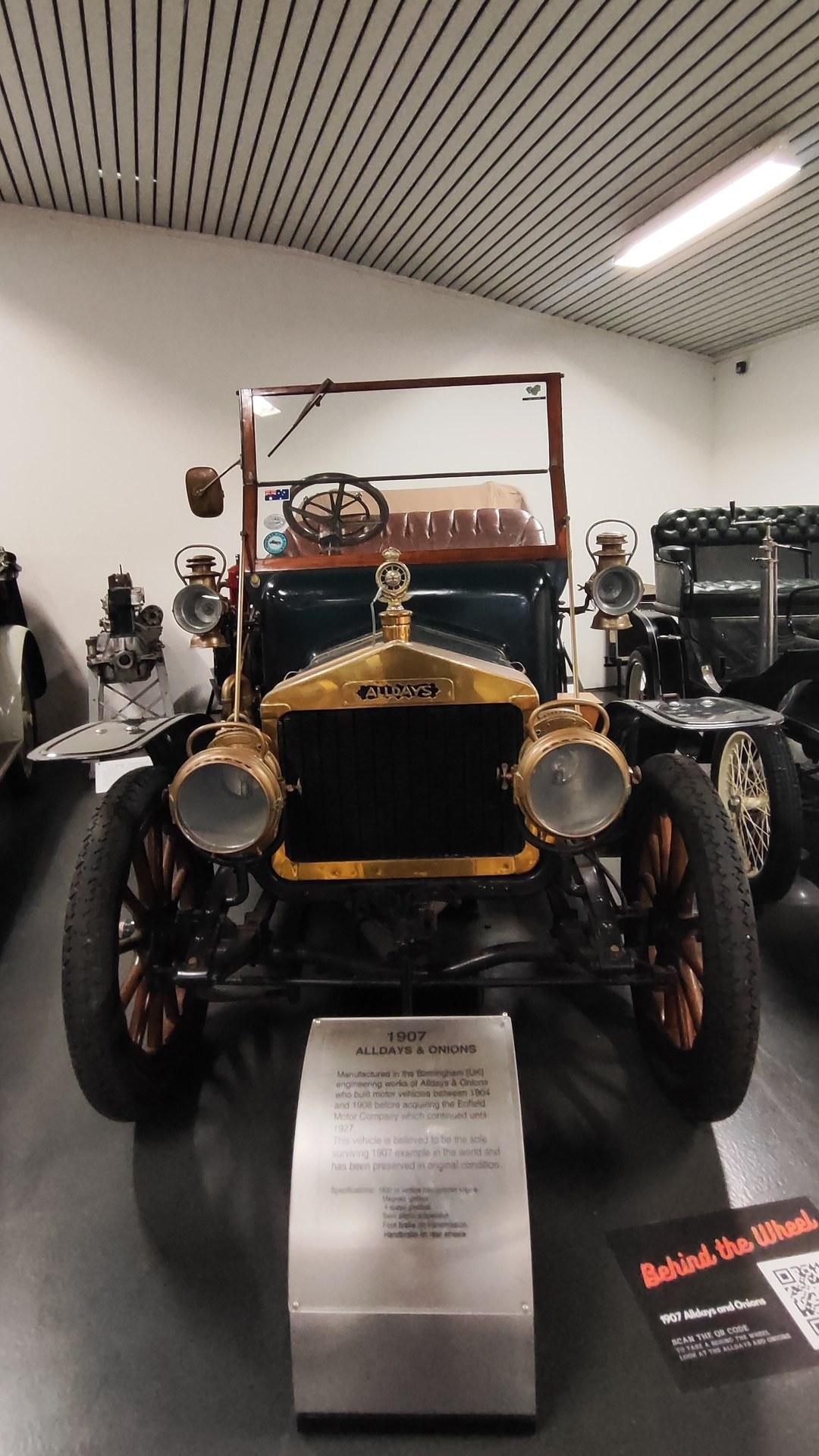
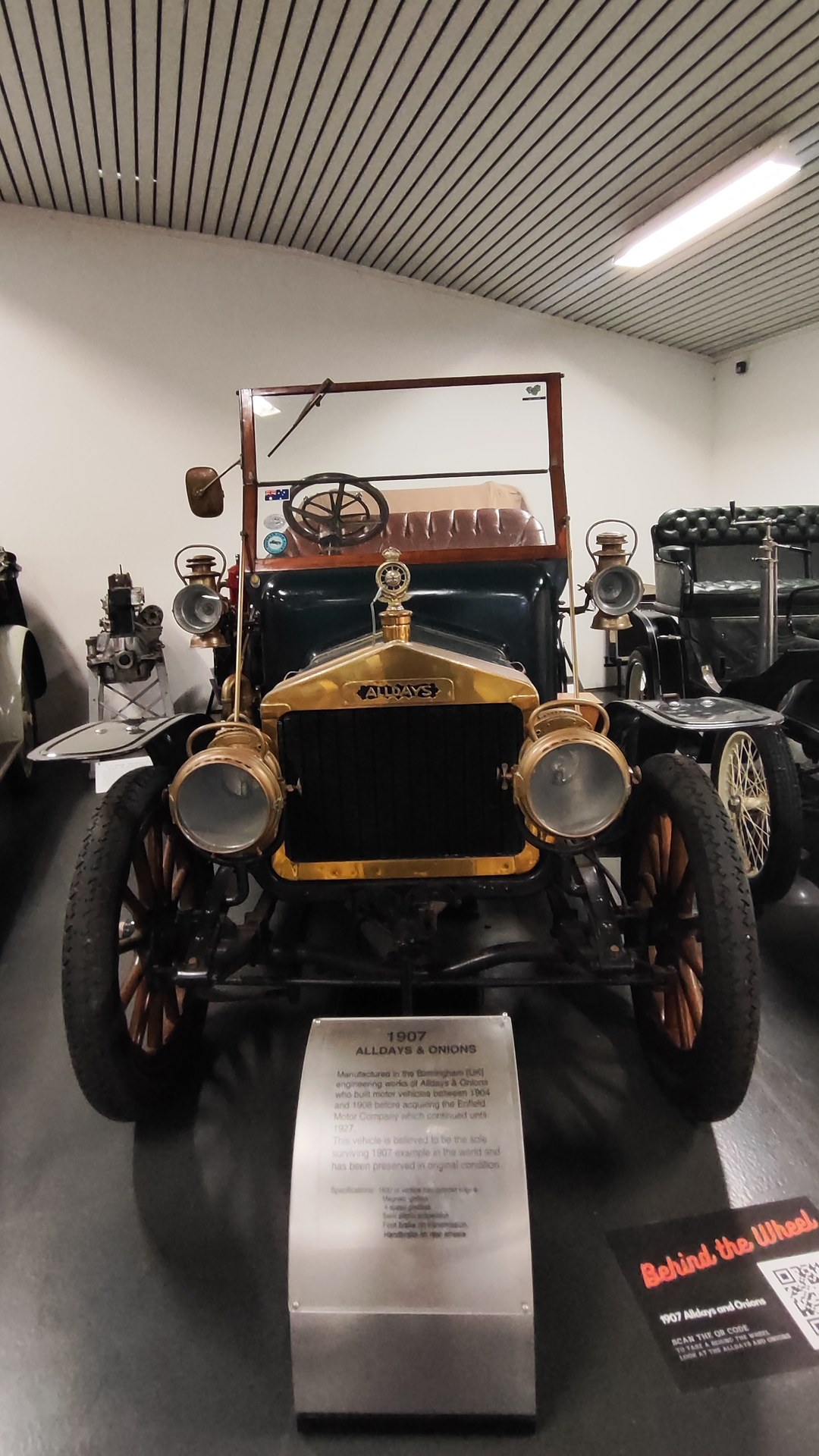
In the annals of automotive history, Alldays & Onions holds a unique place as an English engineering business and early automobile manufacturer. Headquartered at Great Western Works and Matchless Works in Small Heath, Birmingham, this venerable company was in the business of car manufacturing from 1898 until 1918. Known initially under the Alldays & Onions name, the cars later assumed the Enfield Alldays branding after the First World War. Though the car production ceased in the 1920s, the manufacture of various other items continued, and eventually, the company was integrated into the Mitchell Cotts Group.
The roots of the company can be traced back to two separate engineering businesses: Onions, formed by John Onions in 1650, and William Allday & Co., established by William Allday in 1720. These two companies merged in 1889 to form Alldays & Onions Pneumatic Engineering Company Limited. Initially focused on engineering and blacksmithing equipment, the company adapted to the times by venturing into bicycle and motorcycle manufacturing. The motorcycles were initially produced under the Alldays-Matchless name, although this was later changed to Allon to avoid confusion with another London-based Matchless company. Motorcycle production continued until 1927.
When it came to automobiles, the company's first venture was the Traveller, a quadricycle produced in 1898. Steering was accomplished via a wheel, and the vehicle featured an unsprung rear end powered by a 4 hp De Dion single-cylinder motor. However, large-scale production did not commence until 1903/4 with the introduction of the 7 hp model. In the years leading up to World War I, the company also manufactured larger commercial vehicles that saw active service during the conflict.
Commercial success was achieved with the 1.6-litre, vertical-twin side-valve 10/12 model, produced between 1905 and 1913. This vehicle was a hit with commercial drivers and performed exceptionally well in period formula events and hill-climbs. A range of other models, featuring various configurations and horsepower ratings, were introduced in the years that followed. One significant milestone was the merger with the Enfield Autocar Company in 1908, leading to a rationalized product line sold under both brand names.
Alldays & Onions didn't restrict itself to road vehicles. Railway inspection cars were also manufactured for the Great Eastern and London, Brighton and South Costs Railways. One such vehicle even made its way to Australia for use on the Wolgan Valley Railway. The company's contribution to rail transport also extended to Ireland, where a small but successful railcar paved the way for the broader adoption of internal combustion railcars.
Today, Alldays & Onions serves as a testament to the innovative spirit and adaptability that characterized the early automotive industry. While car production may have ceased, the company's legacy in engineering and transportation continues to be remembered and respected.
Read more