Founded in the late 19th century, the Argyll marque boasts a storied history of car manufacturing in Scotland, spanning several eras and engineering milestones. Initially established as The Hozier Engineering Company in 1899 by Alex Govan, the enterprise produced its first automobile, the Argyll Voiturette. Influenced by the Renault design of the time, it was powered by a modest 2¾ hp de Dion engine and featured a shaft-drive.
By 1901, innovation had already taken root at the Argyll factory. The Voiturette was enhanced, now boasting a more potent 5 hp engine. Successive models were even more ambitious, with 8 hp units introduced in 1902. A year later, a 10 hp twin emerged, its design distinguished by radiator tubes that cleverly doubled as the sides of the hood. It was around this time that the company underwent a rebranding, now called Argyll Motors Ltd. The new name was a nod to the company’s growing reputation as Scotland's premier car manufacturer.
A monumental shift occurred in 1906 when the Argyll Motor Works was inaugurated in Alexandria, West Dunbartonshire. This sprawling, 12-acre facility even had its own railway line, a testament to the ambitions of the company. Despite the grandeur of the new factory, production failed to match its capacity, largely due to the untimely death of Alex Govan in 1907. The original enterprise went into liquidation in 1908 but was resurrected in 1910 as Argylls Ltd.
The reborn company was not short on innovation. Argylls Ltd. introduced a new range that included the “Flying Fifteen,” a six-cylinder model, and the 12/14, which found widespread use as a taxi, even reaching as far as New York. Notably, the company was among the first to offer four-wheel brakes, a technology patented in 1910. However, fortunes changed in 1914, and the grand factory was sold off for torpedo production by the Royal Navy.
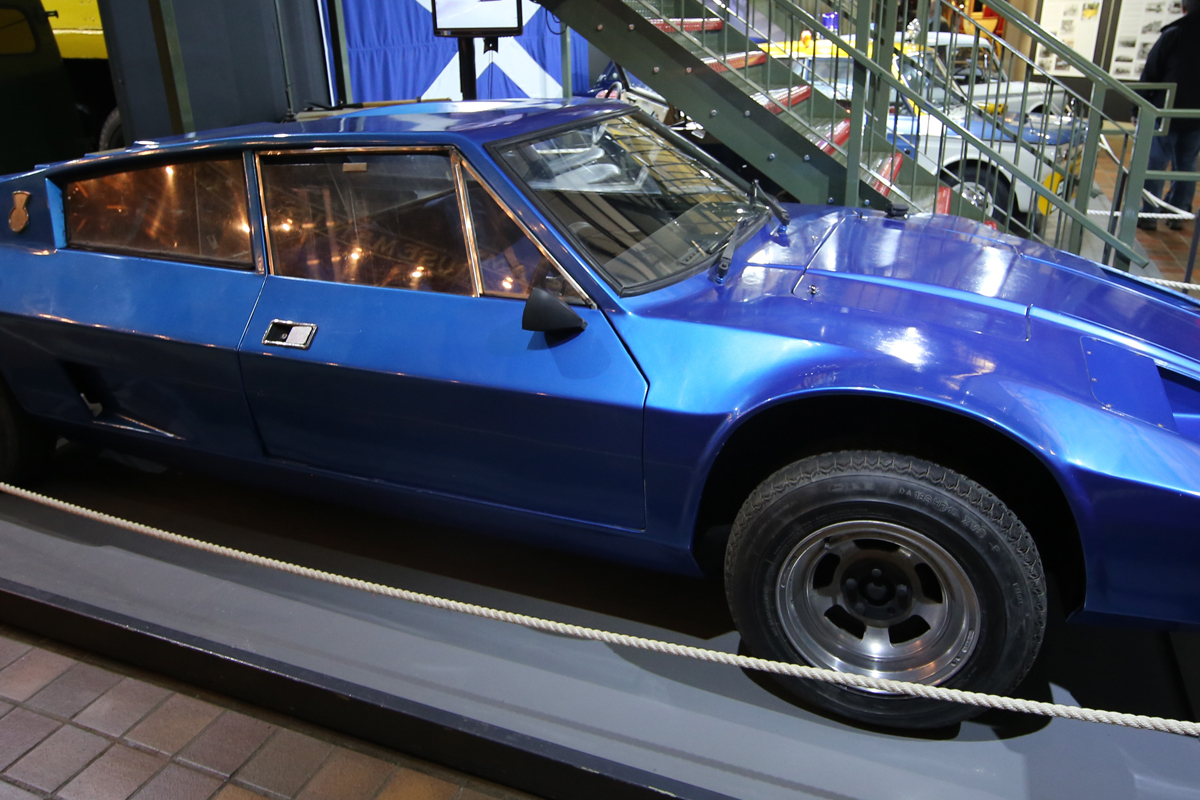
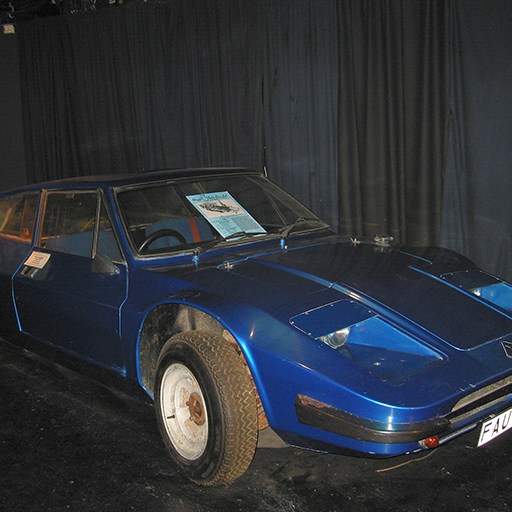
Car production continued on a smaller scale until 1928, with the last vestiges of the original Argyll marque disappearing in 1932. Yet, the brand saw a second life in the late 20th century when it was revived in 1976 by a new company. A mid-engined sports car, the Argyll GT, was developed and produced in Lochgilphead, Scotland. Although it boasted promising features such as a turbocharged Rover V8 engine and a sturdy frame, the modern Argyll failed to achieve commercial success. It was a fleeting return for a brand that had once promised so much, with production halting around 1990.
The legacy of the Argyll brand is one of innovation, daring engineering, and, unfortunately, missed opportunities. However, its contributions to the early days of the automotive industry in Scotland, as well as its brief revival in the late 20th century, have ensured that the Argyll name is not easily forgotten. Whether it’s the Voiturette from 1899 or the turbocharged GT of the 1980s, Argyll cars remain an indelible part of automotive history.