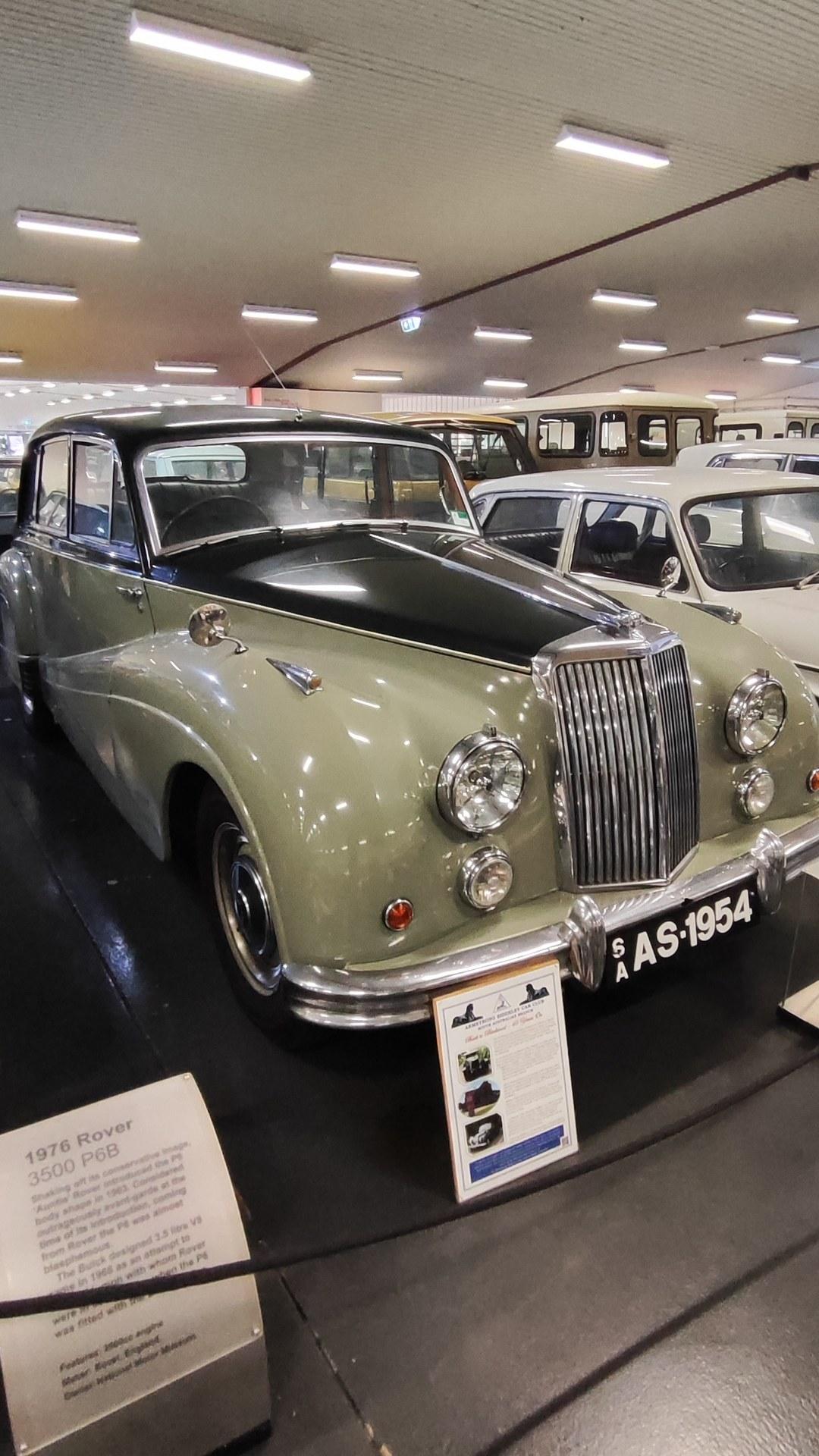
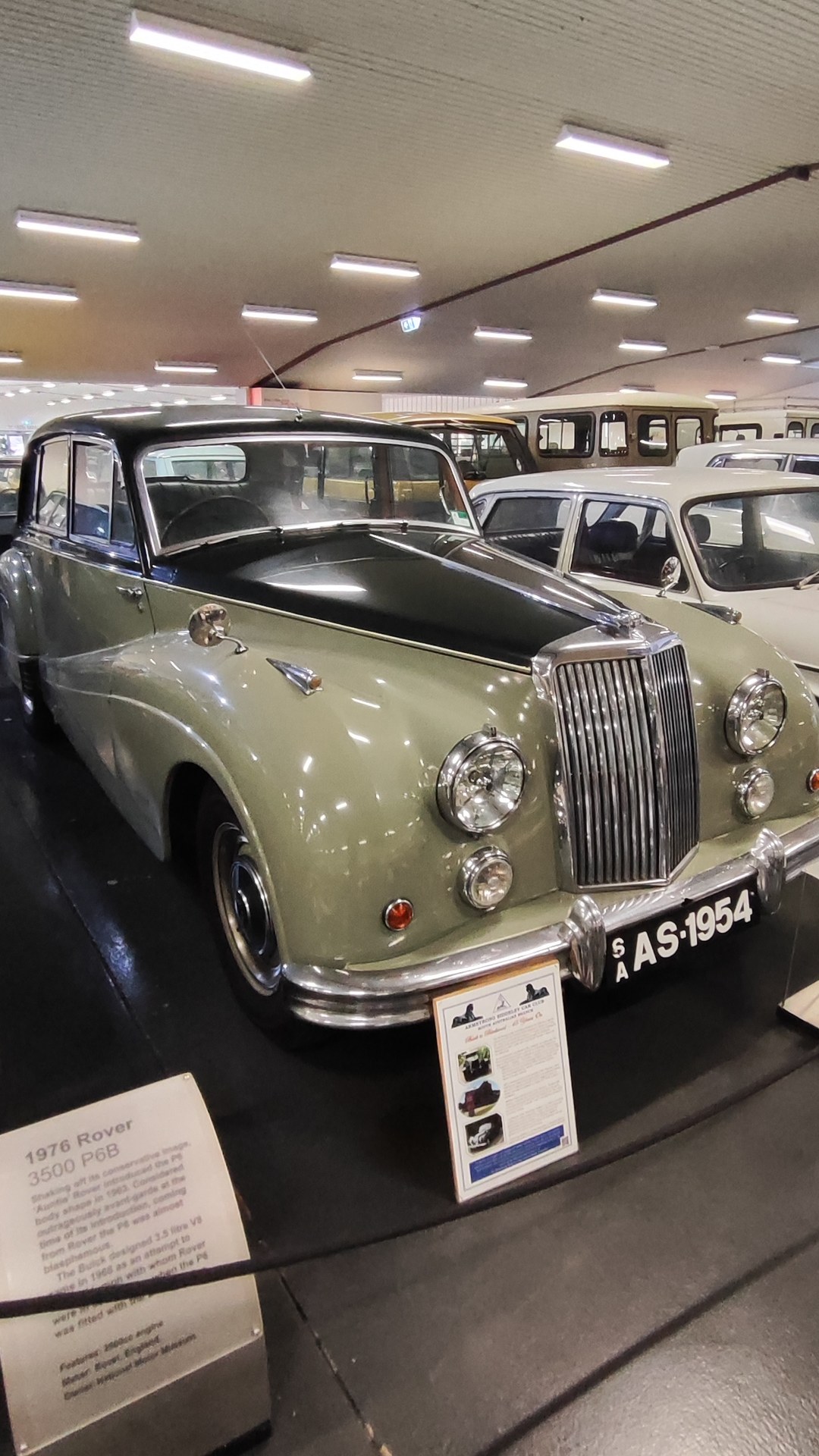
Born from a merger of formidable engineering giants, Armstrong Siddeley carved a unique space in the automotive landscape of the 20th century. Originating in 1919 through the acquisition of Siddeley-Deasy by Armstrong Whitworth, the brand became synonymous with the opulence and technical finesse that only British craftsmanship could provide. The Armstrong Siddeley Saloon, for instance, was held in such high regard that it was utilized by the Prince of Wales during his 1930 tour of Uganda, underscoring the brand's royal appeal.
The backbone of the Armstrong Siddeley brand was its unwavering commitment to quality. Post-merger, the company did not just produce luxury vehicles; its technological prowess extended to aircraft engines, gearboxes for tanks and buses, as well as rocket and torpedo motors. This broad technological expertise only added to the mystique of Armstrong Siddeley cars, framing them as the pinnacle of engineering excellence.
John Davenport Siddeley, the man behind the name, was a visionary. Under his stewardship, the company initiated partnerships and technological innovations that put Armstrong Siddeley on the map. It was Siddeley who introduced the pre-selector gearbox, a breakthrough in automotive technology at the time. This led to the creation of the famous marketing tagline "Cars for the daughters of gentlemen," emphasizing both the ease of driving and the vehicle’s luxurious nature.
Special attention was given to aesthetics and performance. With each new model released, be it the 5-litre 30 hp Landaulette or the smaller 18 hp, Armstrong Siddeley pushed the boundaries of what a luxury car could be. The vehicles combined powerful engines with tasteful design, creating a blend of speed and elegance that was hard to match. During the 1930s, the introduction of six-cylinder cars with overhead valve engines fortified the brand's image as an industry leader, yet a four-cylinder 12 hp was kept in production, ensuring that there was a Siddeley for everyone.
However, it wasn’t all smooth sailing. Despite being a prominent name in luxury automobiles, Armstrong Siddeley had its share of challenges. Fierce competition from brands like Jaguar, particularly in the post-war era, put pressure on Armstrong Siddeley to innovate constantly. By 1958, Armstrong Siddeley released its last new model, the Star Sapphire, featuring a 4-litre engine and automatic transmission. Unfortunately, this was also the time when the brand's journey in car manufacturing ended, with the last car rolling off the Coventry factory line in 1960 following a merger with Bristol.
Today, the Armstrong Siddeley legacy is maintained by the Armstrong Siddeley Owners Club Ltd, which owns all the patents, designs, copyrights, and trademarks, including the iconic Armstrong Siddeley name and the A-S Sphinx Logo. Even though the brand ceased car production over six decades ago, the vehicles and the indelible mark they left on automotive history still captivate enthusiasts around the world.
So, when one speaks of Armstrong Siddeley, it's not just about cars; it's about a remarkable blend of British craftsmanship, engineering excellence, and a history rich with innovation and luxury. This brand was, and remains, an elegant chapter in the annals of automotive lore.
Read more