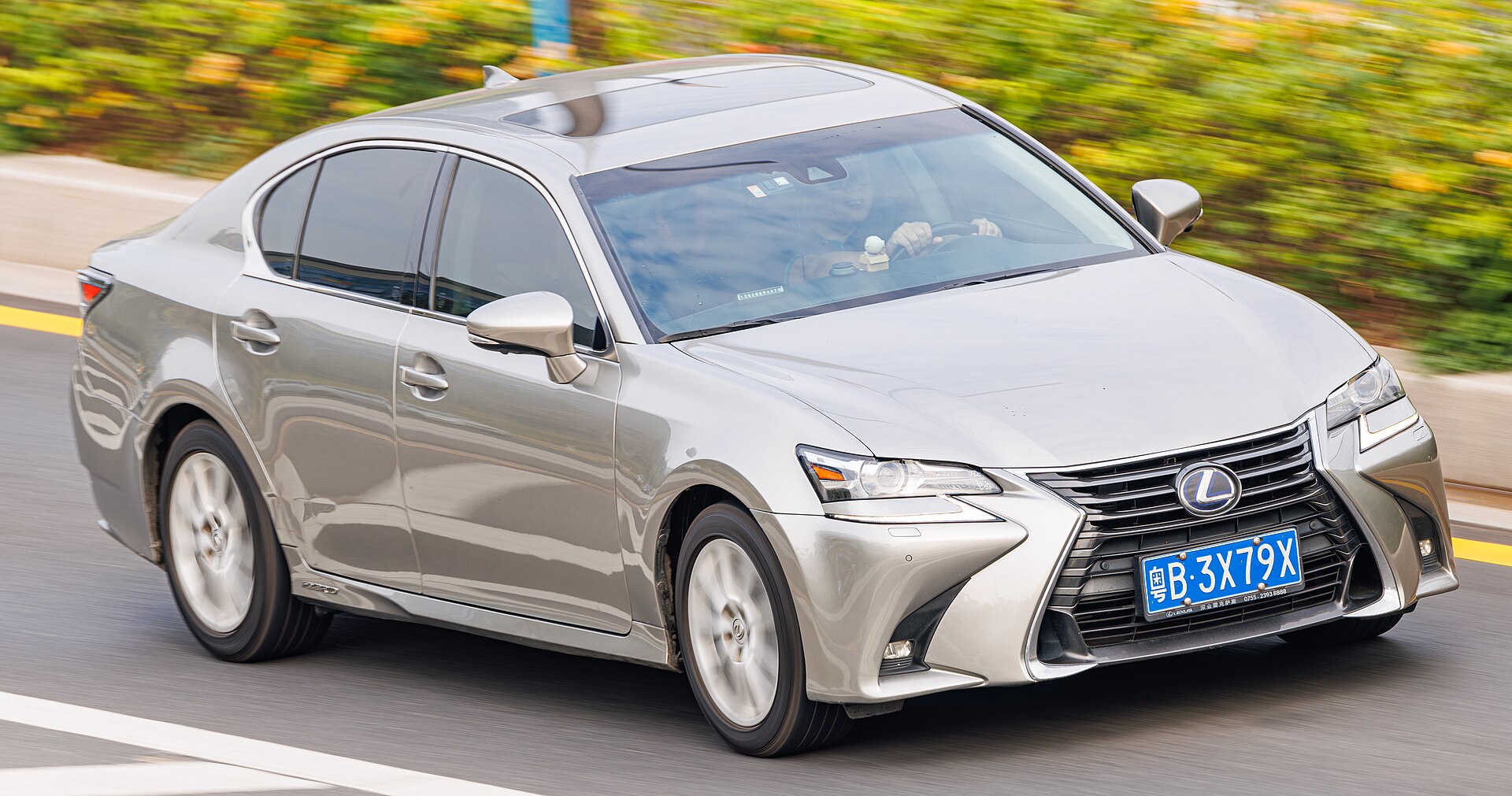
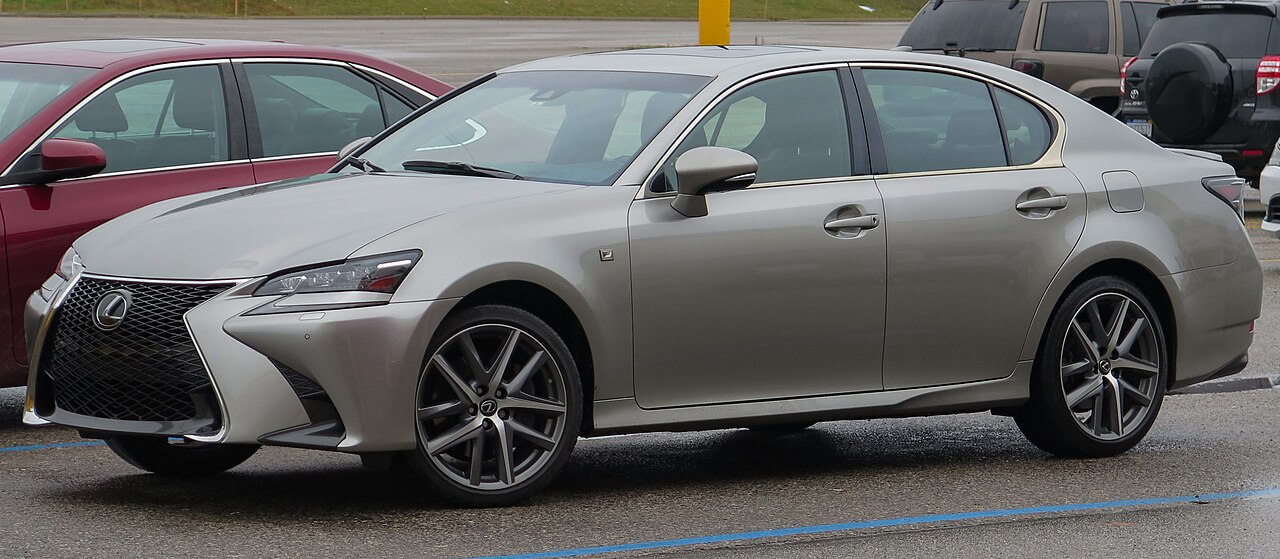
The Lexus GS, initially introduced as the Toyota Aristo in Japan in 1991, is an executive car marketed by Lexus across four generations. For markets outside Japan, the name was changed to Lexus GS starting in 1993, while the Toyota Aristo name continued in Japan until 2005. Positioned as a mid-luxury performance sedan, the GS competes between the compact executive IS and the large flagship LS in Lexus's lineup.
Key Points:
1. **History**: The Lexus GS was first launched in 1991 as the Toyota Aristo in Japan, later adopting the Lexus GS name for international markets in 1993.
2. **Market Positioning**: Marketed as a high-performance sedan in the mid-luxury segment, the GS fills the gap between the IS and LS models in Lexus's lineup.
3. **Chassis**: The GS shares its chassis with the Toyota Crown premium sedans until 2011, showcasing a blend of luxury and performance elements.
4. **Engine Options**: The GS typically features six-cylinder engines and rear-wheel drive, with V8 engine options available across all generations.
5. **Innovations**: All-wheel drive and hybrid variants were introduced in 2005, enhancing the vehicle's versatility and appeal to a broader range of customers.
The Lexus GS has established itself as a compelling choice for buyers seeking a blend of luxury, performance, and cutting-edge technology in the executive car segment. Throughout its iterations