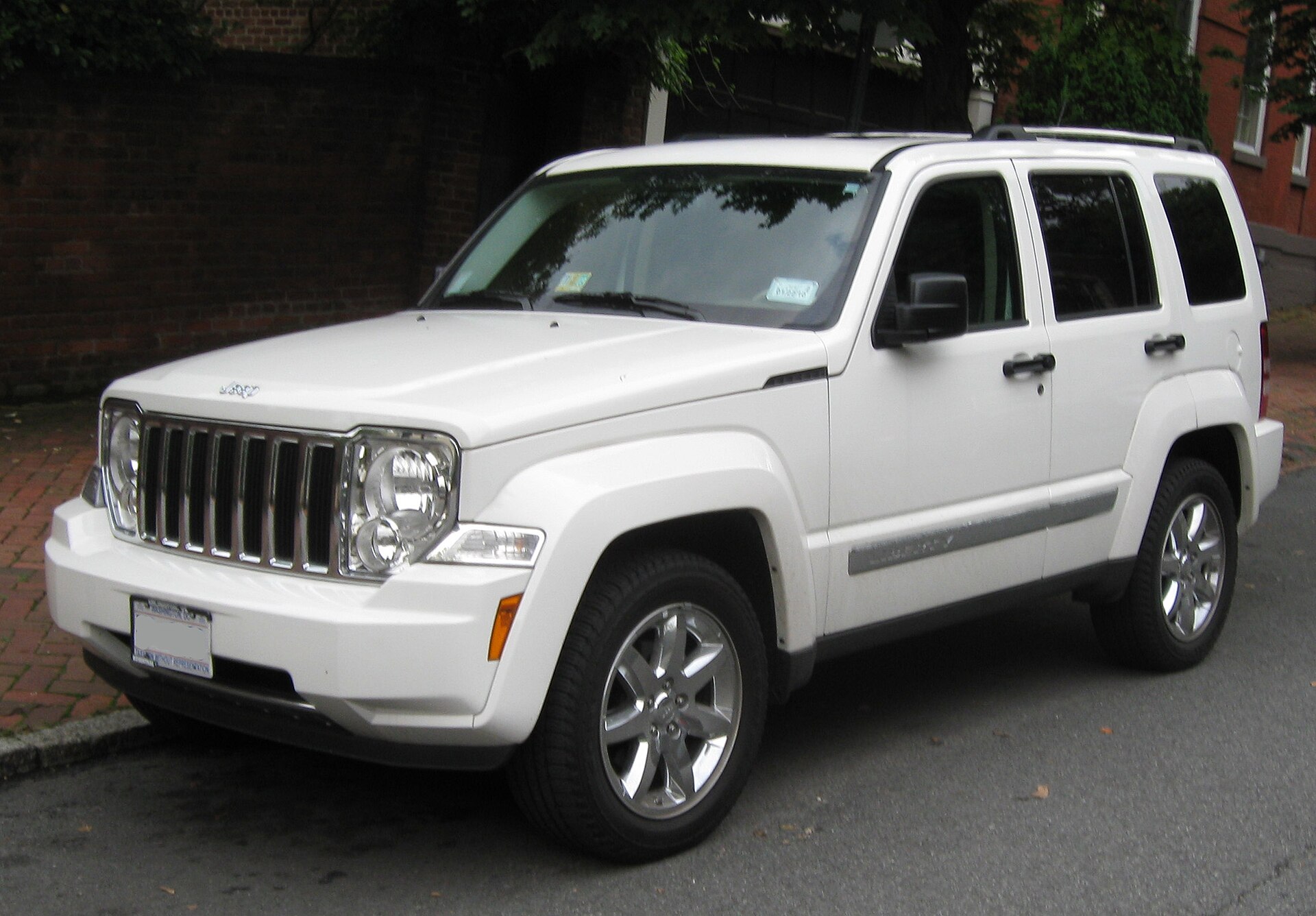
The Jeep Cherokee, part of the Jeep lineup of sport utility vehicles (SUV), has a rich history spanning five generations. Initially launched as a variant of the Jeep Wagoneer (SJ), it transitioned from a full-size SUV to become one of the pioneering compact SUVs, eventually evolving into a crossover SUV in its most recent generation. The vehicle name pays homage to the Cherokee tribe of Native Americans and was first introduced in late 1973 by the American Motors Corporation (AMC) for the 1974 model year lineup.
The first generation, known as the SJ (1974), saw the Cherokee reintroduced as a two-door body style variant of the Jeep Wagoneer. It featured a redesigned greenhouse with a unique D-pillar and a long fixed rear side window. This design departure included an optional flip-out section in the rear window.
Production of the Cherokee came to an end in February 2023, with the nameplate now exclusively used by the Grand Cherokee and its extended version, the Grand Cherokee L. Over the years, the Jeep Cherokee has been well-regarded for its versatility, on and off-road capabilities, and its enduring presence in the SUV market.
Key Points:
- The Jeep Cherokee has undergone five generations of evolution from full-size to compact to crossover SUV.
- Introduced in 1974, the Cherokee was initially a two-door body style version of the Jeep Wagoneer.
- The Cherokee nameplate has been in use since the 1974 model year