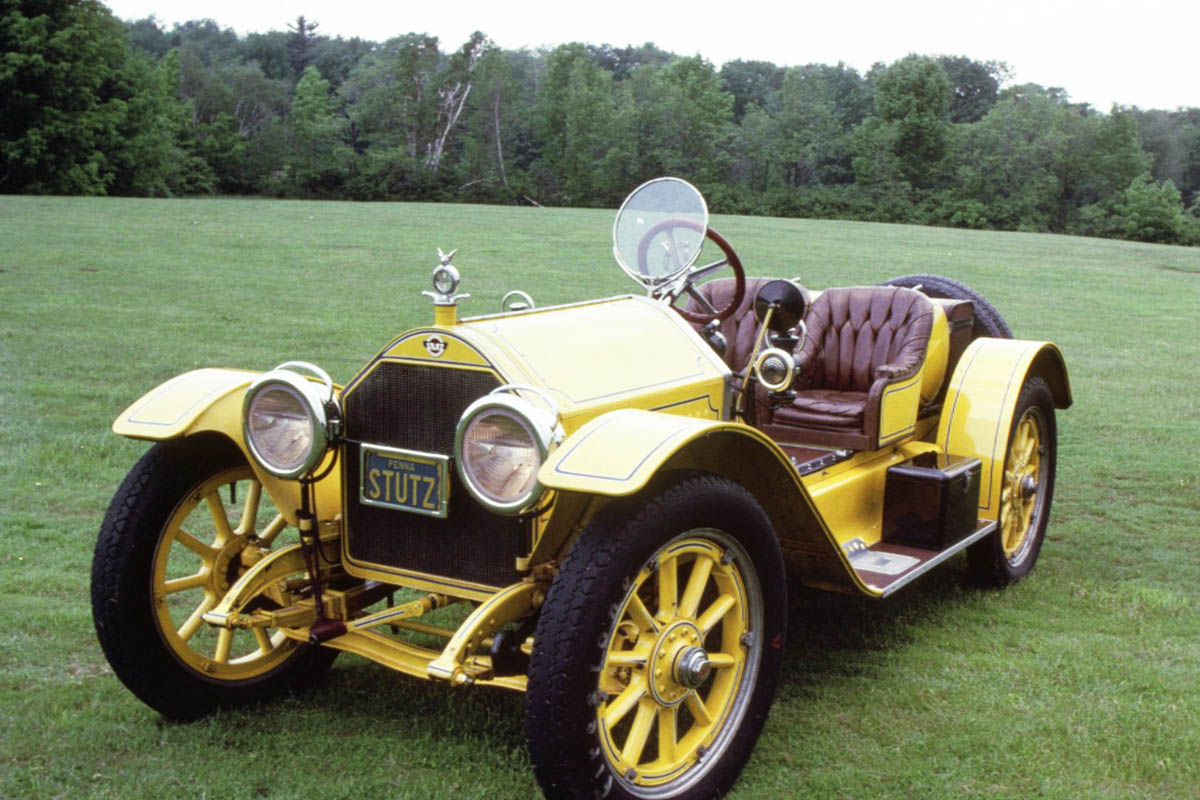
Stutz Motor Car Company, an illustrious name in American automotive history, was originally founded as the Ideal Motor Car Company in Indianapolis, Indiana in 1911. The brand was established by automotive pioneer Harry C. Stutz, who quickly made headlines by entering a car in the Indianapolis 500 that same year, earning the car the moniker "the car that made good in a day" due to its impressive performance. The company was renamed Stutz Motor Company the following year and gained fame with its high-performance roadsters, particularly the Stutz Bearcat, which became synonymous with American sports cars of the era.
Stutz's early success on the racetrack bolstered its reputation, but by 1919, financial necessities forced Harry Stutz to sell the company. The new leadership shifted focus away from racing, introducing safety innovations and a line of luxury automobiles, spearheaded by executive Frederick E. Moskovics who joined in 1923. This period saw the introduction of advanced engineering concepts, including multi-valve engines and safety glass.
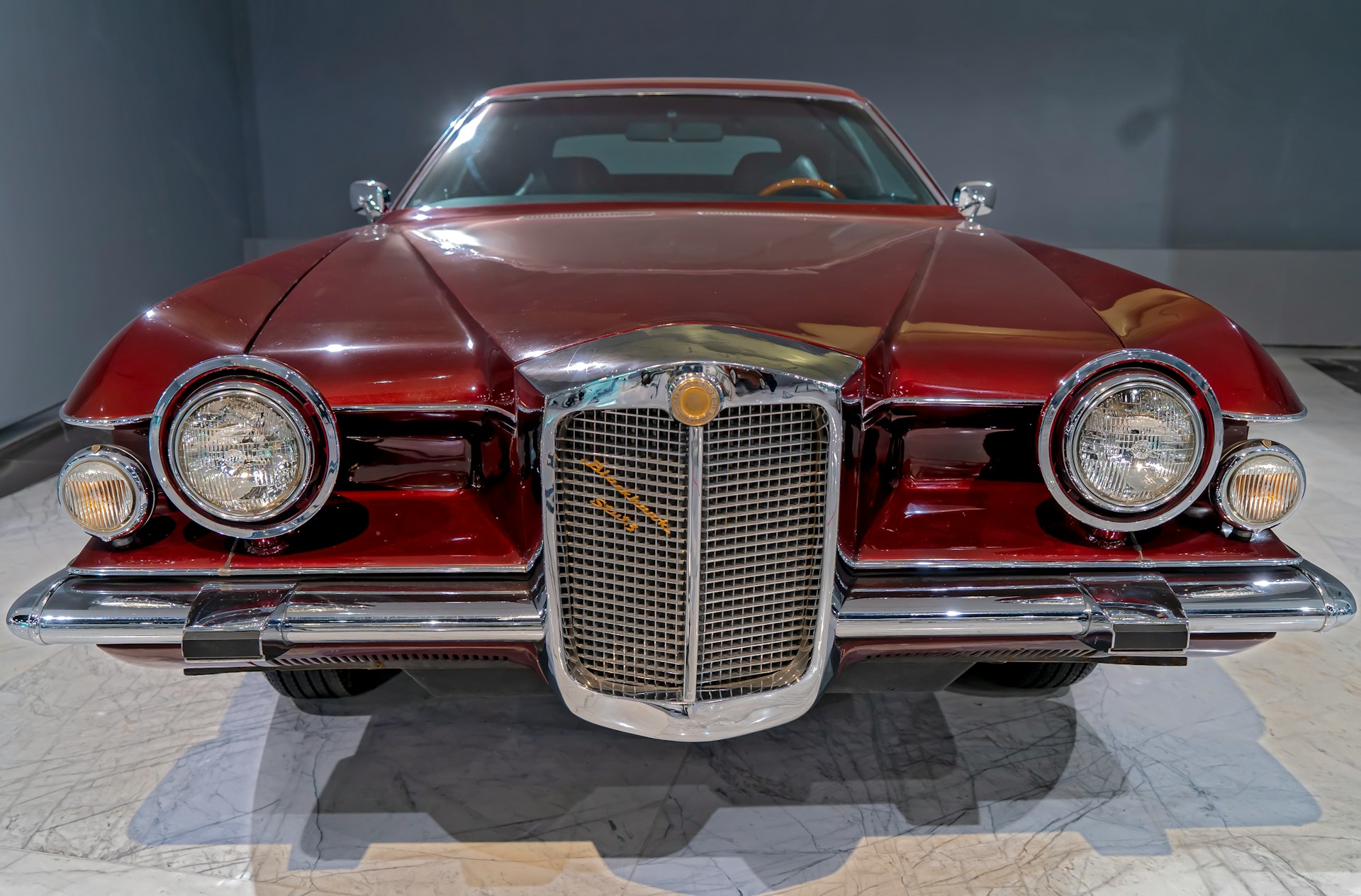
However, despite technological advances and racing accolades, Stutz could not withstand the economic pressures of the Great Depression. The last Stutz vehicles were manufactured in 1934, culminating a 23-year saga of innovation and performance. The brand made a brief resurgence in 1968 with the Stutz Blackhawk, a luxury car that continued until the mid-1990s, but it never recaptured the glory of its early years. Today, the legacy of Stutz is preserved by enthusiasts and collectors who celebrate its pioneering contributions to the automotive world.