Electric vehicles (EVs) continue to surge in popularity globally. In the first half of 2025, worldwide EV sales are expected to surpass 7 million vehicles. Analysts report that EVs accounted for about 14% of new car sales in 2023 and the share is still rising thanks to strong demand, supply chain improvements and supportive policies. This momentum means the EV market is no longer niche but mainstream.
EV Sales & Adoption
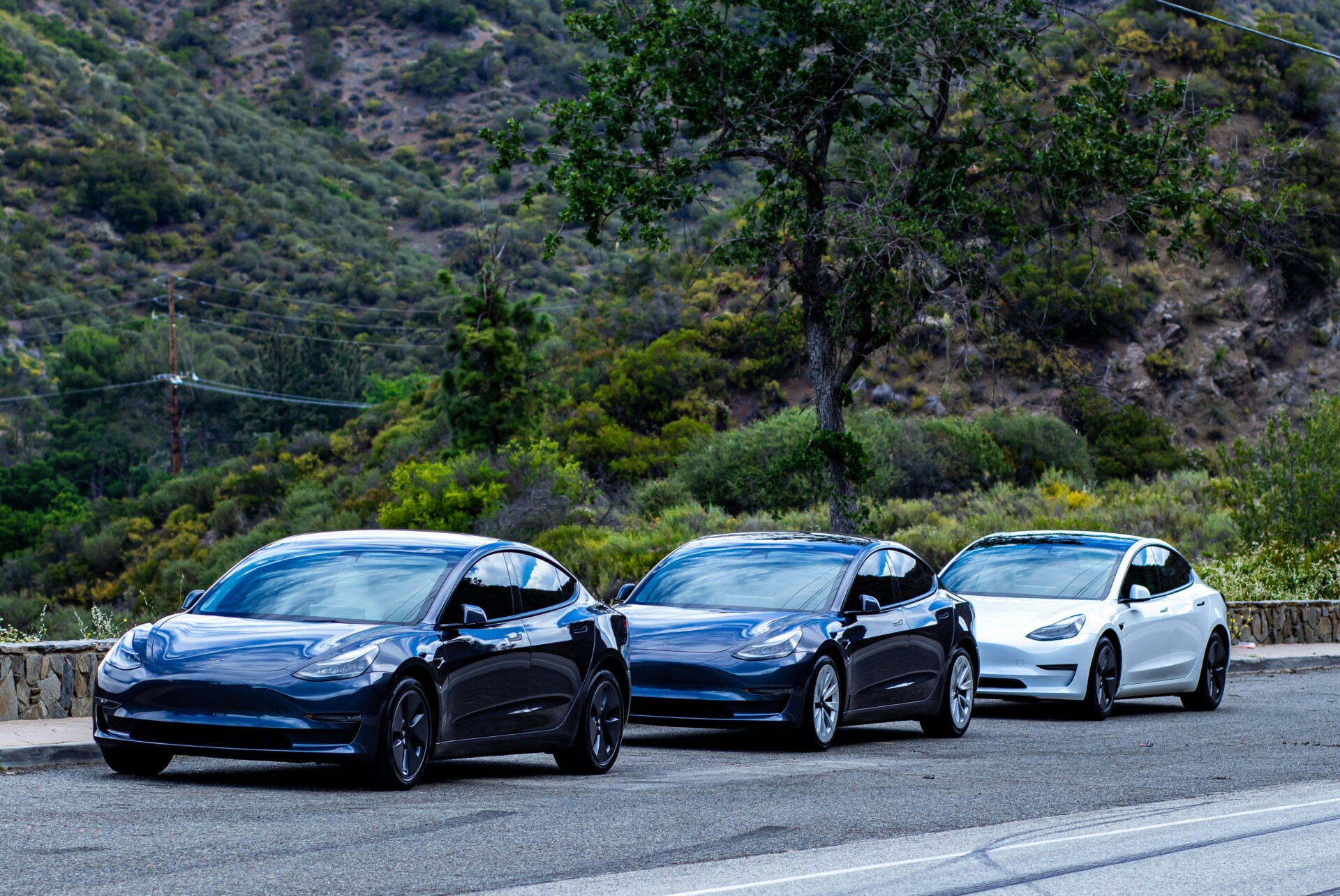
EV sales and adoption continue to accelerate. Recent data show that EV sales grew roughly 32 % year‑over‑year in 2024 and are on pace to reach 14 million units in 2025. China and Europe remain the largest markets, but adoption is rising in North America and Australia. Incentives and falling battery prices help make EVs more affordable. In Norway, 2023's EV market share exceeded 80 %, illustrating that mainstream adoption is possible. Consumers now have dozens of models to choose from across segments, and fleet buyers are electrifying commercial vehicles.

Battery Technology Advances
Battery technology is rapidly improving, promising longer ranges and faster charging. Several automakers are working on solid‑state batteries, which replace liquid electrolytes with solid materials to enhance energy density and safety. Toyota’s solid‑state prototype cells have achieved energy densities around 500 Wh/kg and the company claims they could enable 15‑minute charging times. While mass production remains years away, conventional lithium‑ion packs are also advancing through improved chemistries like lithium iron phosphate (LFP) and nickel manganese cobalt (NMC) with higher nickel content. These innovations are lowering costs and increasing range, making EVs more competitive with combustion vehicles.
Charging Infrastructure Growth
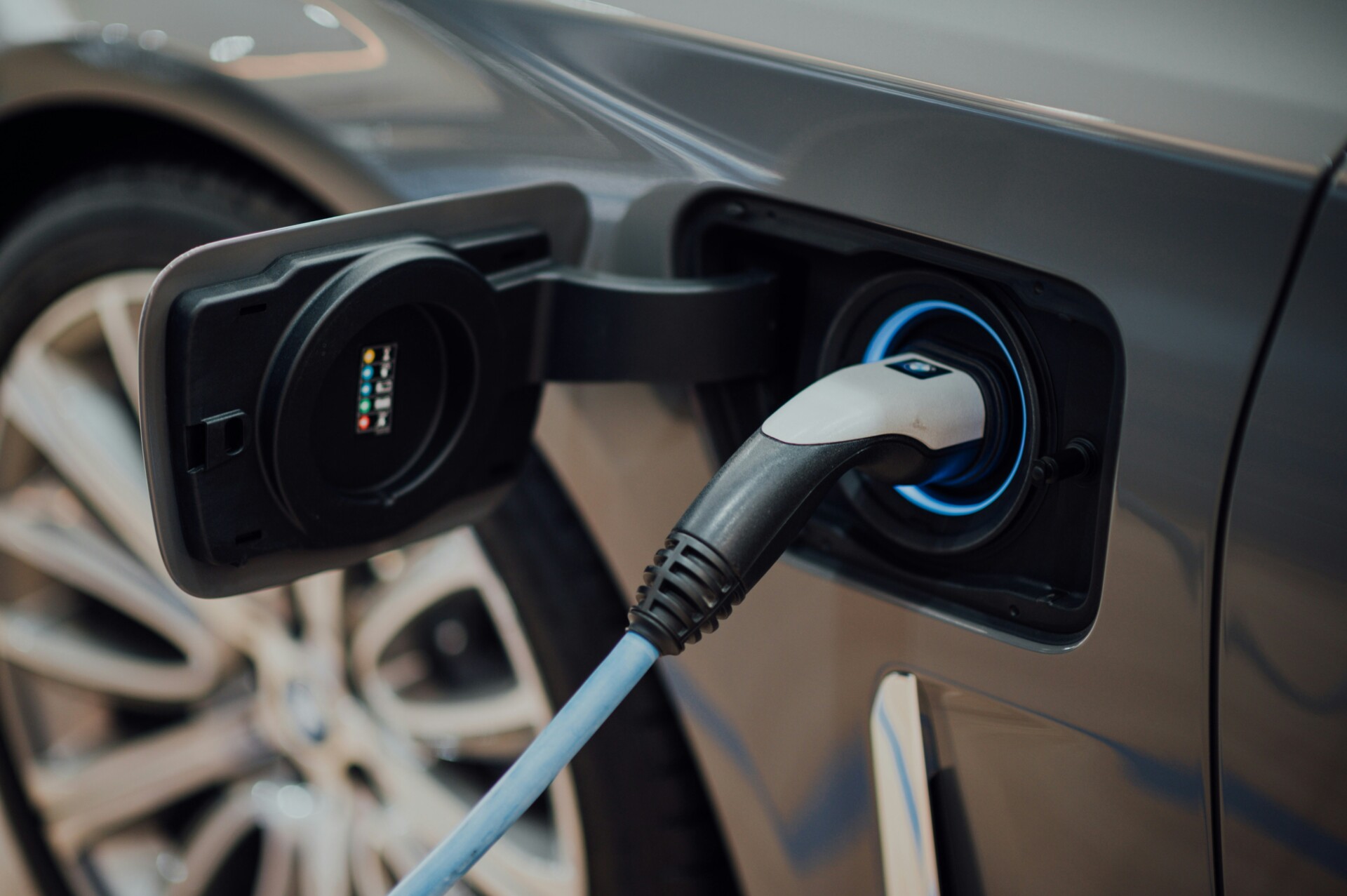
Charging infrastructure is expanding rapidly to support the growing EV fleet. In the United States, the number of public charging ports increased to over 180,000 by mid‑2024, including about 65,000 DC fast‑charging ports—a threefold increase since 2020. Europe has installed more than 700,000 chargers, and major corridors in Asia are being outfitted with high‑power stations that can recharge at 350 kW. Governments and companies are investing billions of dollars to ensure stations are available in cities and along highways, addressing range anxiety. Emerging battery swapping and mobile charging services also help fill gaps where fixed infrastructure is lacking.

The Broader EV Revolution
Beyond passenger cars, the EV revolution is reshaping everything from buses and delivery vans to two‑ and three‑wheelers and even marine vessels. Governments across the world are rolling out stricter emissions standards and zero‑emission vehicle mandates, forcing manufacturers to accelerate electrification plans and diversify product ranges across price segments. Companies like Tesla, BYD, Ford and Hyundai are expanding their EV portfolios; startups are experimenting with electric pickups and rugged 4×4 SUVs to reach new audiences.
Public and private fleets are electrifying to meet sustainability targets and reduce operating costs. Transit agencies are ordering electric buses; logistics firms are trialling battery‑electric heavy trucks; ride‑hailing and car‑sharing services are adopting EVs to meet corporate ESG commitments. While the energy density required for long‑haul trucking, shipping and aviation remains a challenge, early pilot programmes using battery and hydrogen fuel cell technologies point the way to a lower‑carbon transport ecosystem.
Electrification also brings new challenges around raw materials, battery recycling and grid integration. Rapid growth in battery demand is increasing scrutiny of supply chains for lithium, nickel and cobalt; recycling programmes and second‑life battery applications are beginning to create a circular economy. Vehicle‑to‑grid (V2G) technologies could transform EVs into mobile storage, helping stabilise grids dominated by solar and wind. As charging networks expand and battery technology improves, electric mobility is no longer a niche but a central pillar of the global decarbonisation strategy.

