Why China Is Cracking Down
Flush, retractable door handles were meant to signal the future. Sleek. Aerodynamic. Tech-forward. But in real-world use especially when seconds matter, they can be slow, confusing, and frustrating.
China has now officially agreed, announcing a ban on Tesla-style retractable door handles due to safety concerns, with new rules coming into effect from 2027. And honestly? It’s hard to argue with the decision.
Chinese regulators point to a simple but critical issue: door handles must work instantly in emergencies.
Retractable and electronic handles can fail or slow down access when:
The battery is flat
The car has been in a collision
Electronics or actuators are damaged
Firefighters or bystanders don’t know how to open the door
In multiple reported incidents, emergency responders struggled to open vehicles because the handles were hidden, unpowered, or unfamiliar. That delay can be the difference between escape and tragedy.

The Tesla-Style Handle Problem
There’s no denying they look cool. But they introduce unnecessary complexity into something that should be brutally simple.
Common complaints include:
Slow deployment when you’re in a rush
Confusing operation for passengers or first-time users
Poor usability in rain, heat, gloves, or panic situations
Failure when power is lost
Even the “budget” versions half-electronic, half-manual often feel worse. They’re neither intuitive nor robust, and they still rely on mechanisms that can jam or break.
Old-School Handles Got It Right
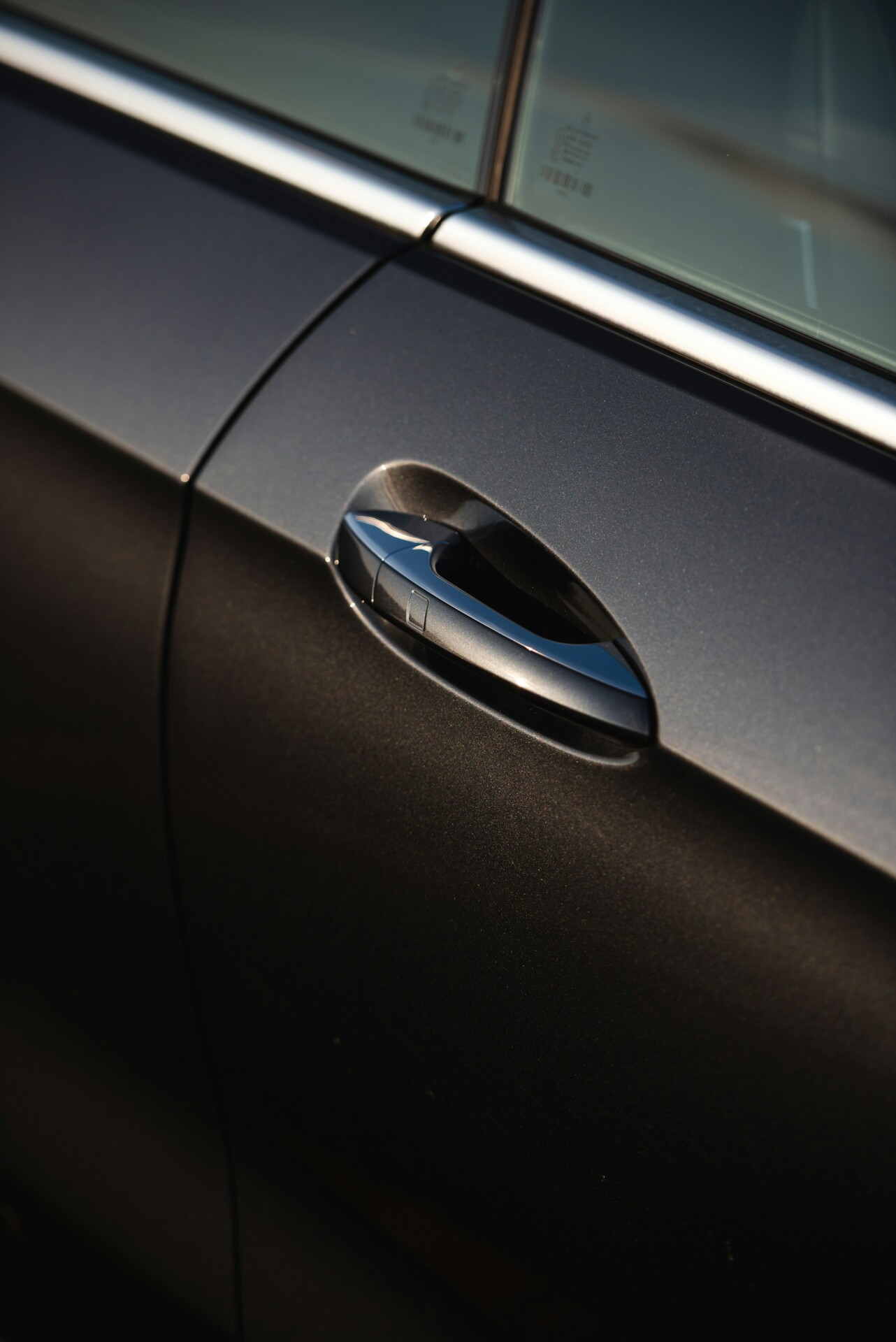
Pull handles. Trigger handles. Even basic mechanical grab points.
They may not look futuristic, but they work every single time.
When you’re:
Carrying kids
Late for work
In a crash
Helping someone else get out
You don’t want to think. You want to grab and pull.
Ironically, the oldest designs are often the most future-proof:
No power required
No learning curve
Instantly obvious to anyone
Reliable under stress
Even older flap-style handles weren’t great, but they still beat hidden, motorised mechanisms when urgency matters.
Design vs Safety: A Growing Tension
Automakers especially EV brands have chased aerodynamics and minimalism hard. Flush handles help reduce drag and look clean in marketing photos, but China’s decision signals a shift back toward function over form.
This ban won’t just affect domestic Chinese brands. It will:
Force global manufacturers to redesign vehicles for one of the world’s biggest markets
Pressure automakers like Tesla to rethink handle designs
Likely influence safety regulations in Europe, Australia, and beyond
What This Means for the Industry
Expect to see:
More mechanical overrides
Clearly marked emergency access points
A return to physical, intuitive handles even on EVs
“Futuristic” design taking a back seat to real-world usability
This isn’t anti-innovation. It’s a reminder that cars are tools first, tech second.
Final Thoughts
Cool doesn’t matter when you’re in a hurry.
Minimalism doesn’t help when the power’s out.
China’s ban sends a blunt but necessary message: doors should open instantly, every time, no excuses.
Give us solid grab handles over clever gimmicks any day.

