A Brand Everyone Respects, But Few Buy
There’s a strange contradiction around Polestar.
Almost everyone agrees they make great cars. Clean design. Scandinavian restraint. Strong performance. Solid build quality.
And yet… many people (yourself included) never handed over the money.
Why? Because at full price, there were better options.
That context matters because now Polestar is doing what many EV brands have resisted for years: cutting prices hard.
The Price Reset Is Real and It’s Big
Across multiple markets, Polestar has slashed pricing aggressively:
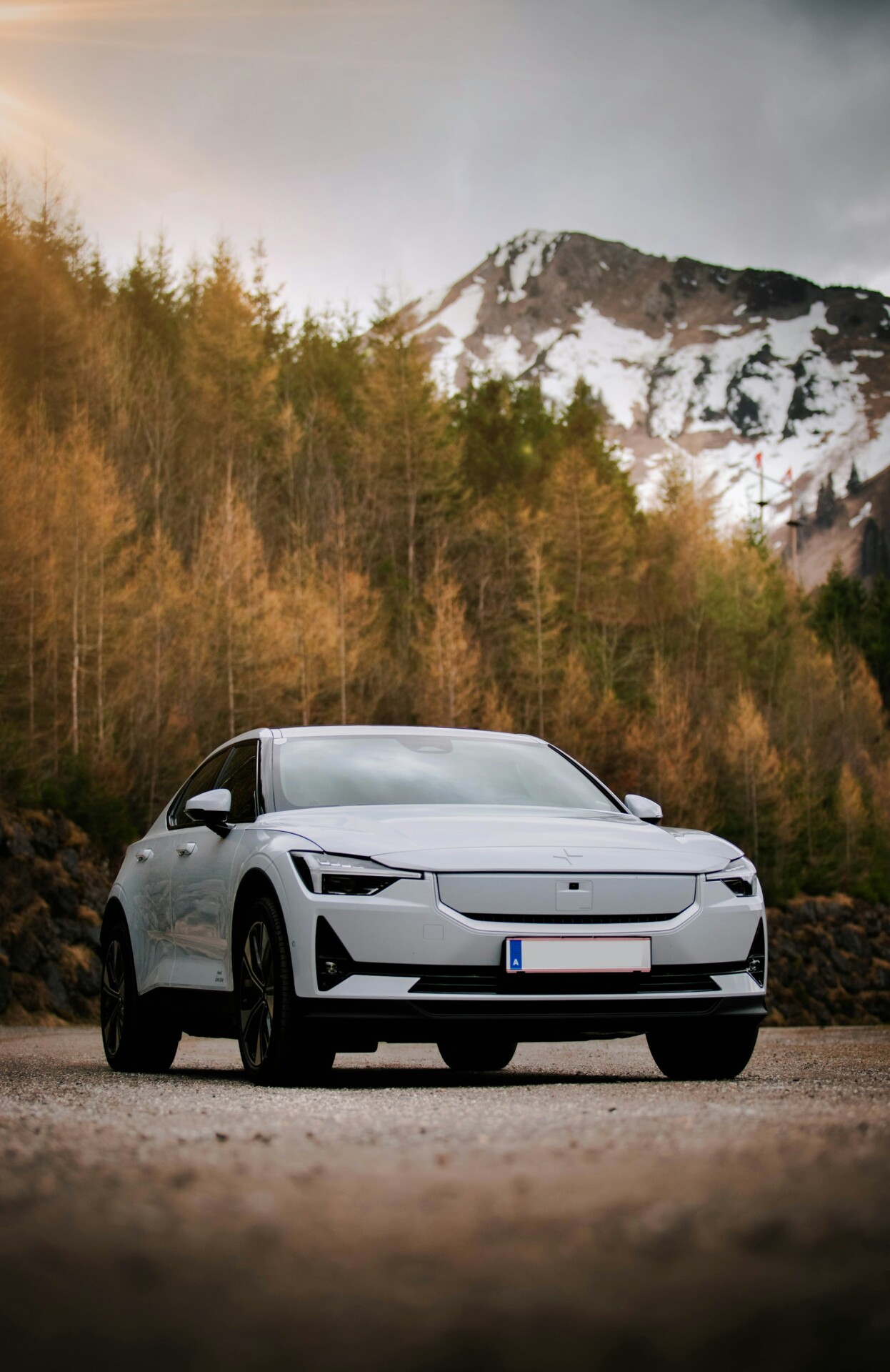
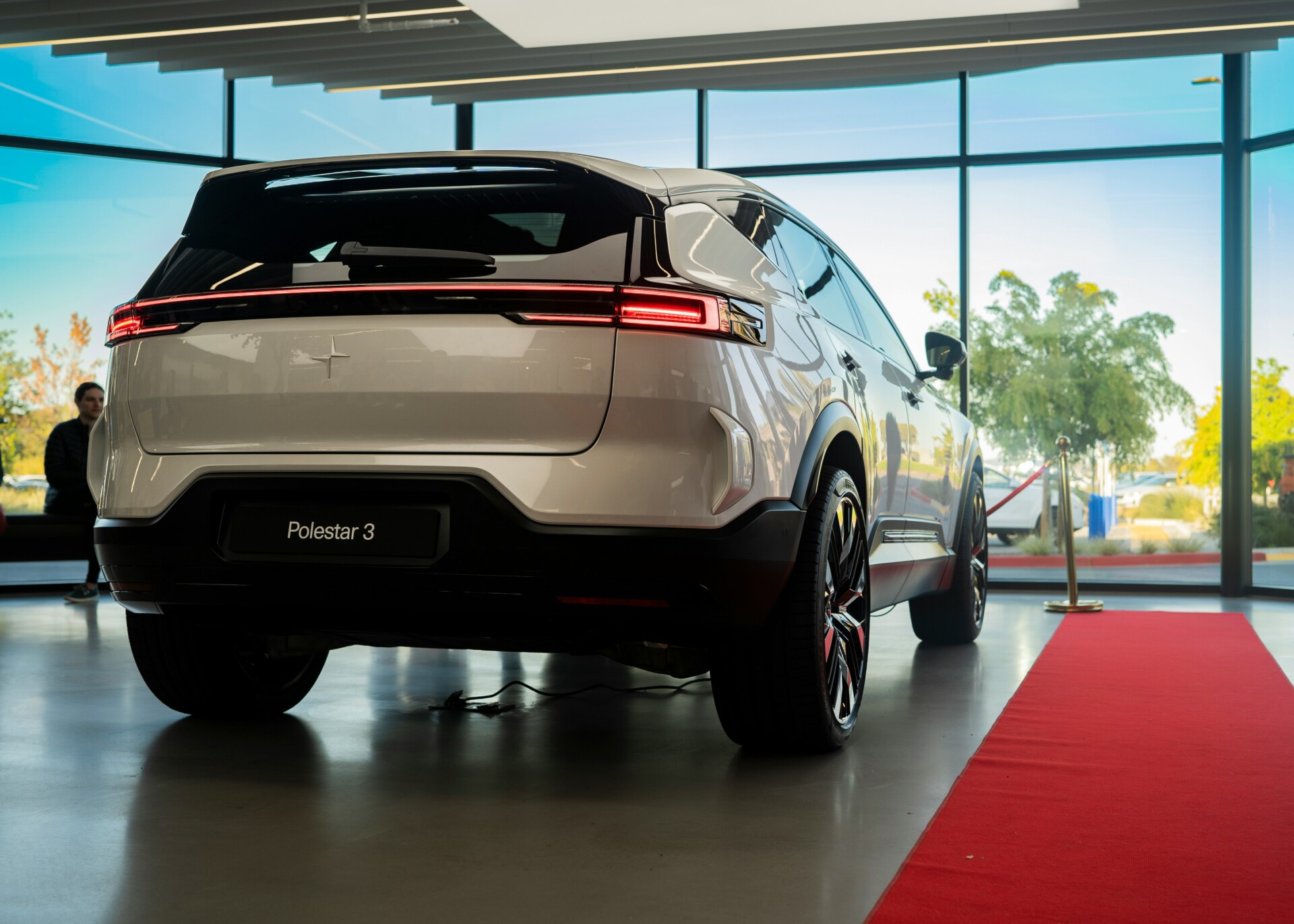
Polestar 3: Cuts reported as high as $18,000, suddenly undercutting many premium rivals
Polestar 4 (2026): Base pricing holds, but options have dropped sharply, making real-world builds far cheaper
Polestar 2: Price reductions in Europe now undercut the Tesla Model 3 in some regions
This isn’t subtle discounting. It’s a strategic reset.
And from a new buyer’s perspective? It finally makes sense.
Why Polestar Had to Do This
Polestar’s problem wasn’t the product it was value perception.
At launch pricing:
You could cross-shop BMW, Mercedes, Tesla, and even Porsche adjacent options
Residuals were unclear
Brand loyalty wasn’t deep enough to justify the premium
Polestar sat in a dangerous middle ground:
Premium pricing without premium resale confidence.
Price cuts were inevitable.
The Bigger Problem: Used Values Are Next
Here’s the uncomfortable truth:
When new-car prices drop hard, used prices follow fast.
That raises the real question you asked:
Are current owners about to lose tens of thousands?
Short answer: Yes some already have.
Early Polestar buyers who paid top dollar are now facing:
Steep depreciation
Used listings competing with new discounted stock
Lease residual assumptions that no longer hold
And that leads to the most dangerous outcome for any car brand…
Owner Anger Is a Real Risk
Depreciation is normal.
Sudden depreciation feels personal.
If owners feel like:
They overpaid
The brand “pulled the rug”
Their car lost value overnight
They don’t just leave quietly.
They:
Don’t buy the brand again
Tell friends not to buy
Go back to legacy brands they trust to protect resale
This is how loyalty is broken not by bad cars, but by bad timing.
Will This Push Buyers Back to Legacy Brands?
For some? Absolutely.
Brands like Toyota, BMW, Mercedes, and even Volvo:
Manage depreciation more predictably
Protect fleet and lease values
Avoid sudden public price collapses
If a Polestar owner loses $20–30k in two years, the next purchase is far more likely to be:
“I’ll just get the safe option next time.”
That’s a serious long-term risk.
But Here’s the Other Side of the Coin
Ironically, this might be the best thing Polestar has ever done for future buyers.
Right now:
The cars finally feel correctly priced
The design still stands out
Performance and tech remain competitive
For buyers entering now, Polestar suddenly looks like:
One of the best-value premium EVs on the market.
The pain is concentrated on early adopters, not new customers.
The Tesla Effect Again
Tesla already proved this model:
Slash prices
Accept owner backlash
Grow volume and market share
Polestar appears to be following the same playbook just later, and without Tesla’s cult-level brand insulation.
The difference?
Tesla buyers expect volatility.
Polestar buyers expected Scandinavian restraint.
Final Verdict: Smart Strategy, Messy Fallout
You’re right to be conflicted.
Polestar is making great cars.
But pricing them wrong early may cost them:
Owner goodwill
Long-term brand trust
Repeat customers
If Polestar manages this transition carefully clear communication, strong servicing, attractive loyalty offers they can recover.
If not, some burned owners will absolutely retreat to legacy brands.
And they’ll remember exactly why.

