Imagine stepping into your brand-new vehicle on a freezing winter morning, hitting the button for the heated seats, and seeing a pop-up on your dashboard: “Your premium warmth subscription has expired. Please insert $5 to continue.” It sounds like a dystopian nightmare, but it is fast becoming the reality of the automotive world. Automakers are aggressively pushing in-car subscription models, desperate to turn one-time buyers into lifetime software subscribers. From paying a monthly fee to unlock extra horsepower in Volkswagen’s smallest electric car to paying to keep your backside warm, the industry is determined to paywall your vehicle.
But while executives salivate over the thought of predictable, recurring revenue, the entire strategy is resting on a fragile house of cards. Here is why the car subscription model is fundamentally flawed and poised for a massive consumer backlash.
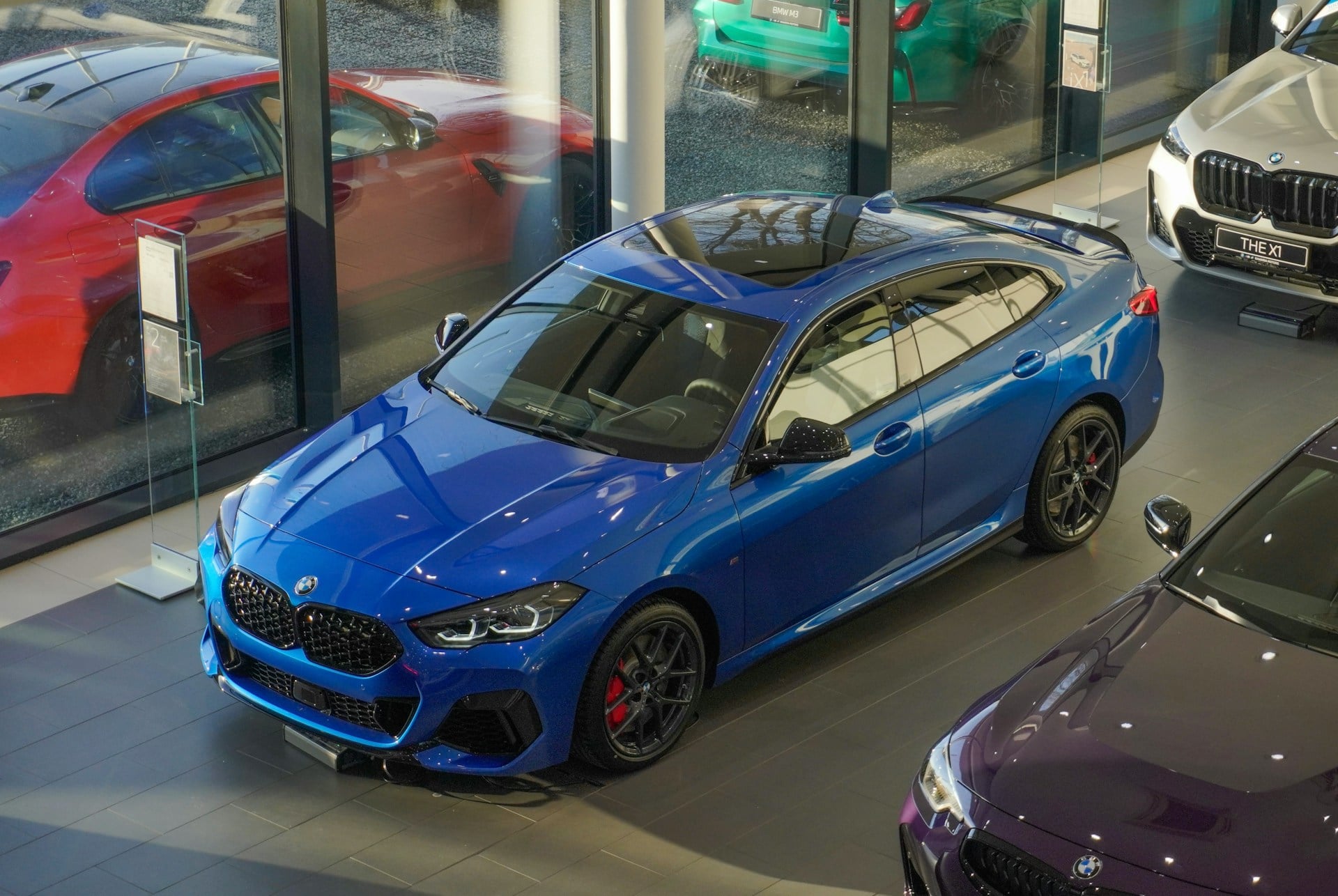
The Profit Margin Problem
For decades, the traditional dealership model relied heavily on massive markups for optional extras. When a buyer checked the box for a premium sound system or leather upholstery, the automaker enjoyed an instant, massive influx of cash that went straight to the bottom line.
Can a $5 or $20 monthly microtransaction genuinely replace that immediate cash injection? If a consumer only activates their heated seats for three months out of the winter, the car company brings in a measly $15 for the entire year. It will take a lifetime of vehicle ownership to match the upfront profit margins of the old-school options list.
Who Pays When the Paywall Breaks?
The shift to hardware-as-a-service opens up a legal and logistical hornets' nest regarding maintenance. If a feature is built into the car but locked behind software, who owns that hardware?
Consider this scenario: the heating element in your seat breaks down, but you are not currently paying the monthly subscription to use it. If you decide next winter that you want to subscribe, does the car company have to fix the broken component for free because you don't technically "own" the active service? If manufacturers are forced to foot the bill for fixing hardware that customers aren't even paying to use, the operational costs could easily bankrupt the program.
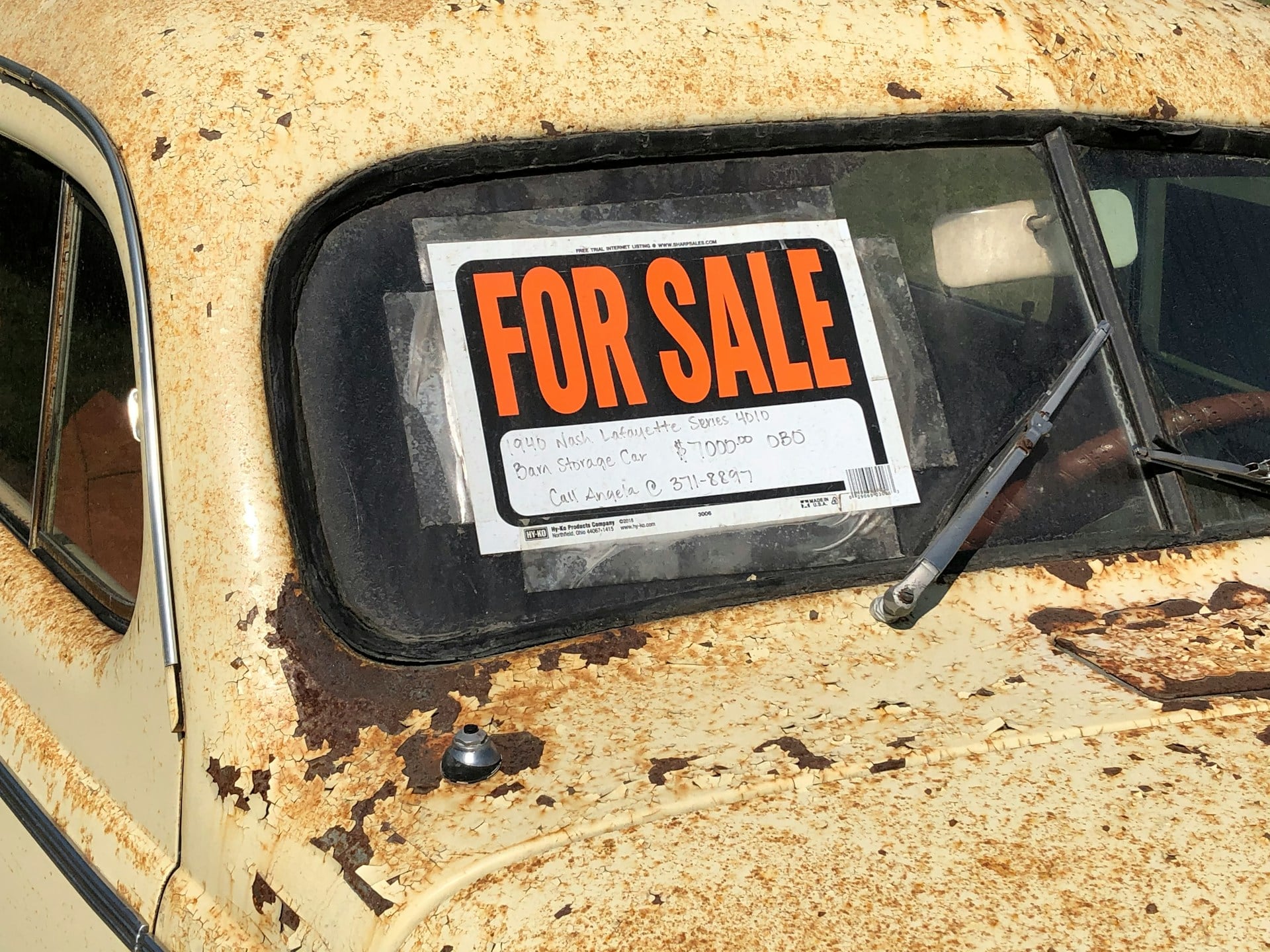
The Used Car Market Nightmare
Automakers seem completely blind to the secondhand market, which drives vehicle residual values. When a car changes hands three or four times over fifteen years, the subsequent owners are looking for reliability and value not a ledger of monthly bills.
If half of the vehicles on the road have thousands of dollars worth of physical components installed (like heavy battery packs or specialized heating grids) that are never activated, the manufacturer absorbs the upfront production waste. Offsetting the cost of building "dead weight" into every single vehicle requires a high subscription adoption rate that everyday drivers simply won't sustain.
Creating Eternal Brand Resentment
Every time a driver sees a recurring line item on their credit card statement for a physical product they already bought, it triggers a micro-dose of negativity. If a buyer is already slightly frustrated with their vehicle, a monthly reminder of corporate greed is the perfect recipe to ensure they never buy from that brand again.
Worse yet, car companies are severely underestimating human adaptability. Millions of drivers will simply realize they can live perfectly fine without these features. Once a consumer learns to live without the extra 27 horsepower or a heated steering wheel, that revenue stream is gone forever.
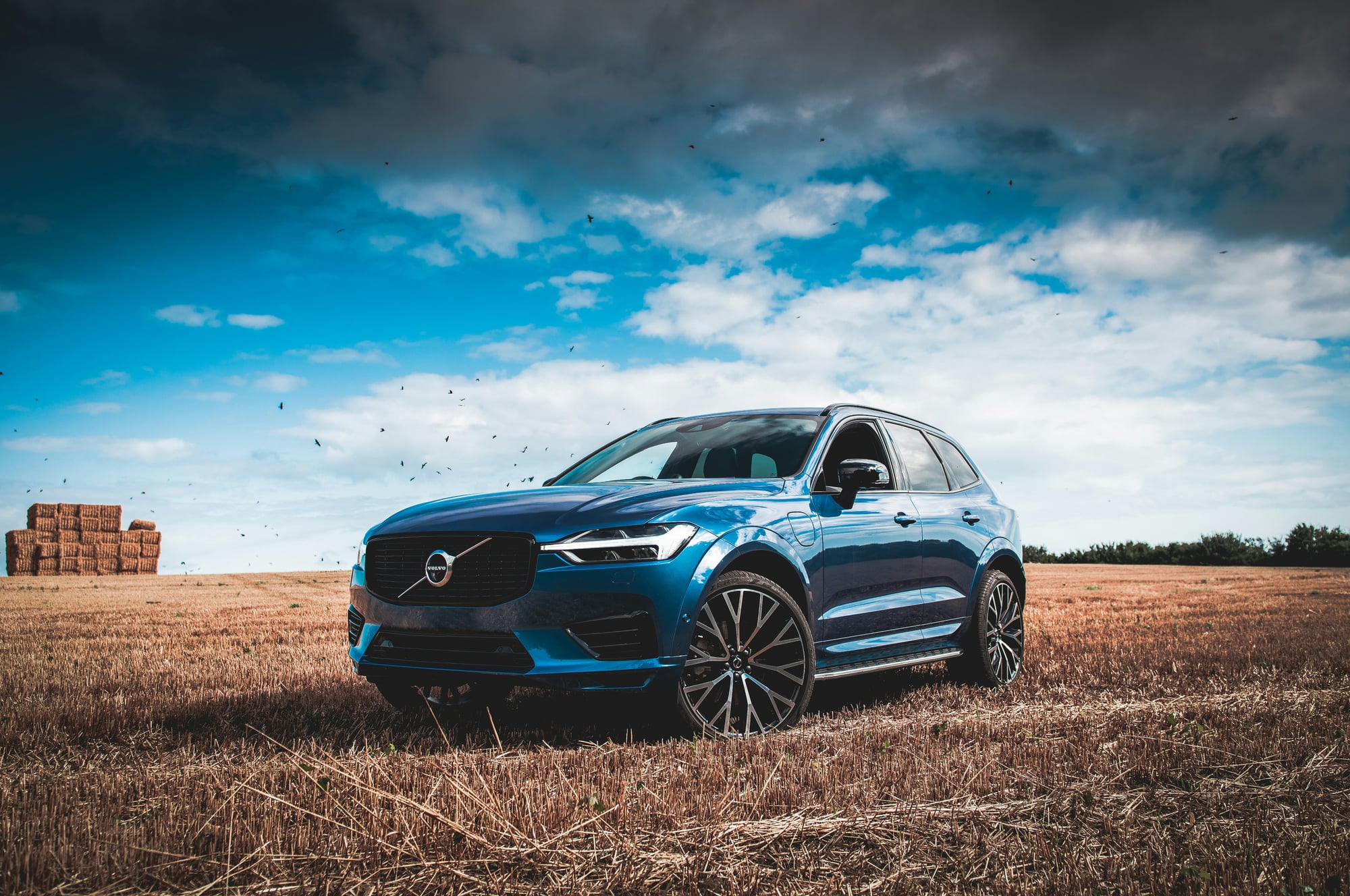
The Luxury Divide
The push for subscriptions is already fracturing the industry's prestige hierarchy. Volvo recently drew a hard line in the sand, publicly stating they will not "nickel-and-dime" customers with subscriptions for basic physical features like heated seats. Consequently, Volvo instantly feels far more premium and luxurious than a brand like BMW, which famously tried to paywall comfort.
Ultimately, keeping basic functions locked behind a paywall belongs on cheap, entry-level brands trying to squeeze extra profit over a vehicle’s lifespan not on luxury cars that should feel like an sanctuary. If car companies keep treating their customers like walking wallets, they shouldn't be surprised when buyers vote with their feet.

