

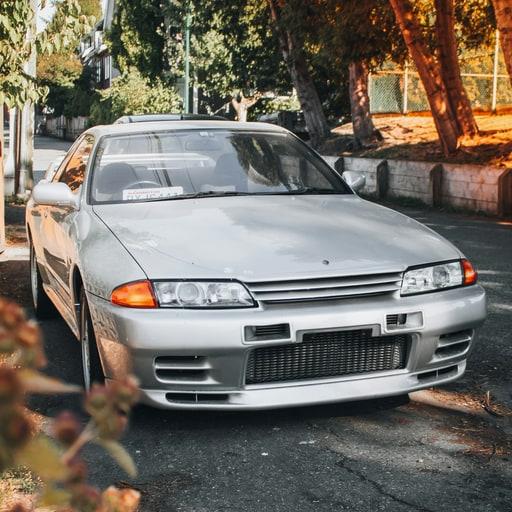
alfa gtv6 up the Stelvio Pass,


Alfa Romeo
1910 – present · Italy
alfa gtv6 up the Stelvio Pass,
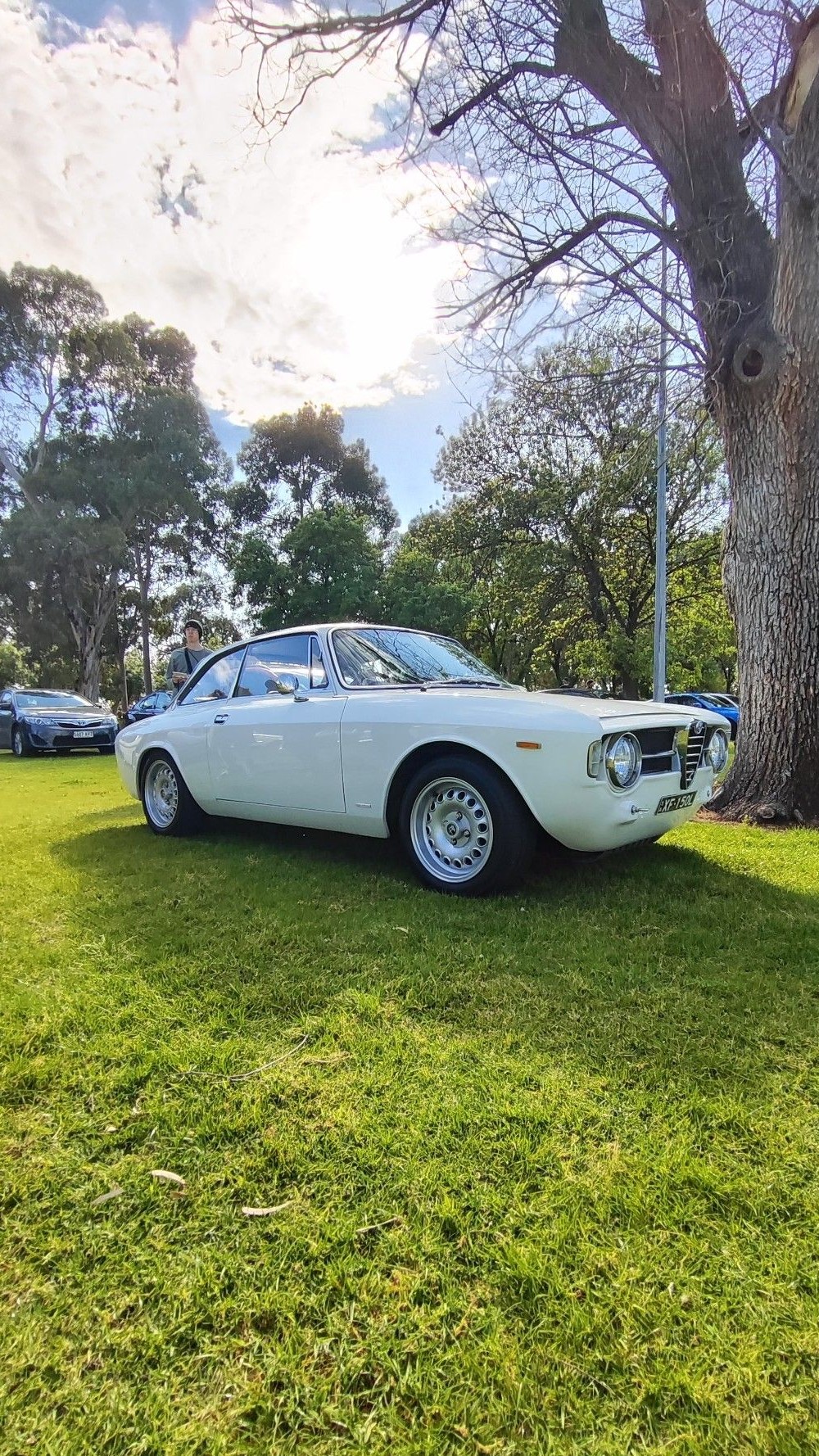
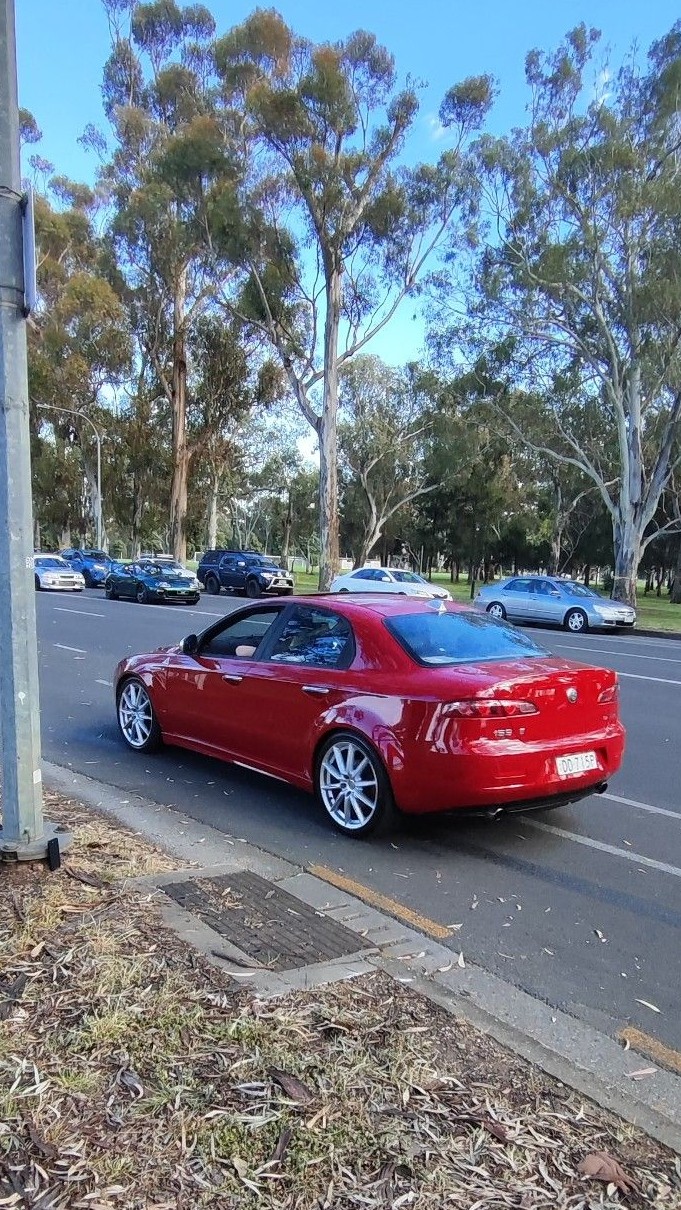
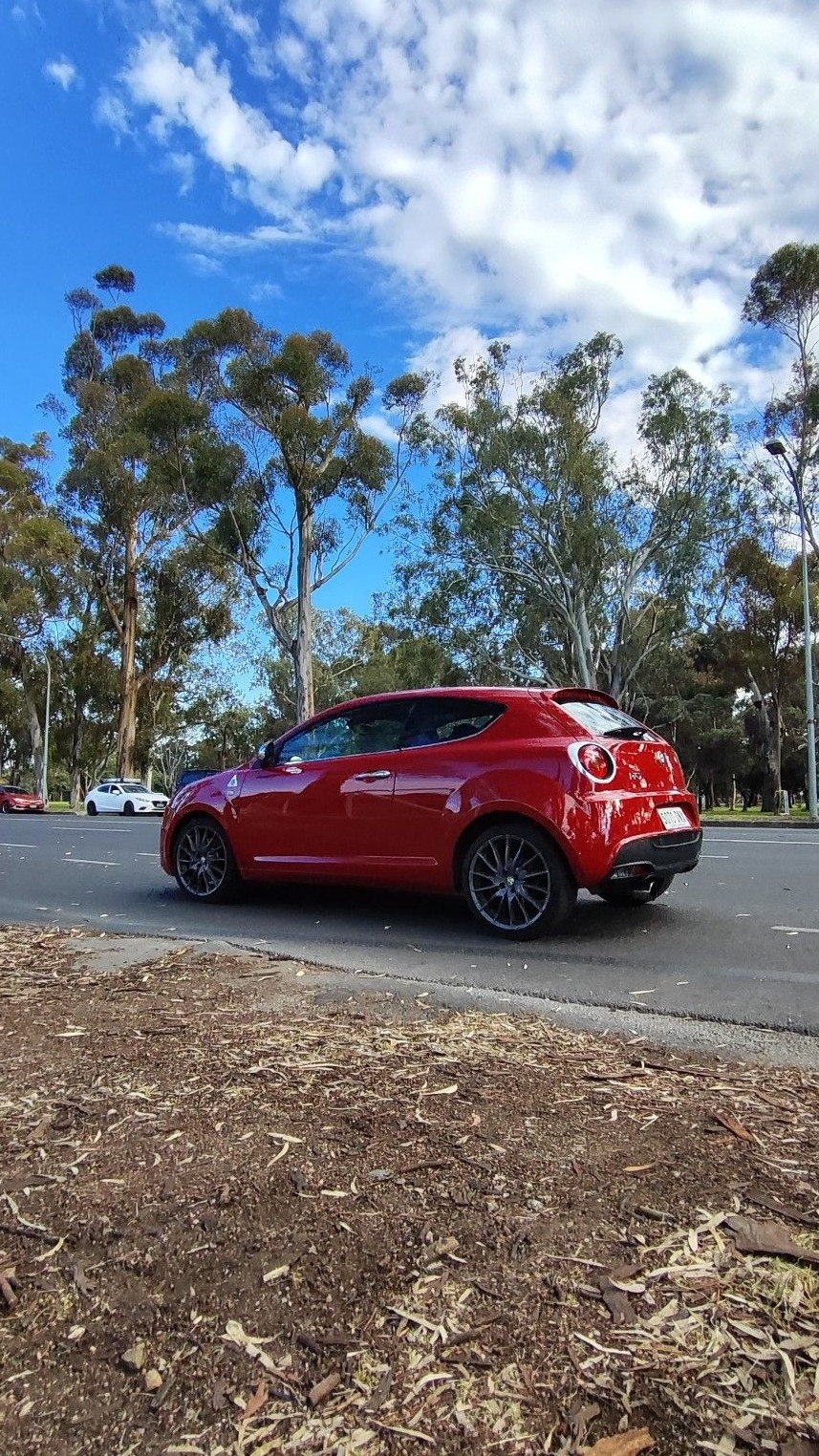
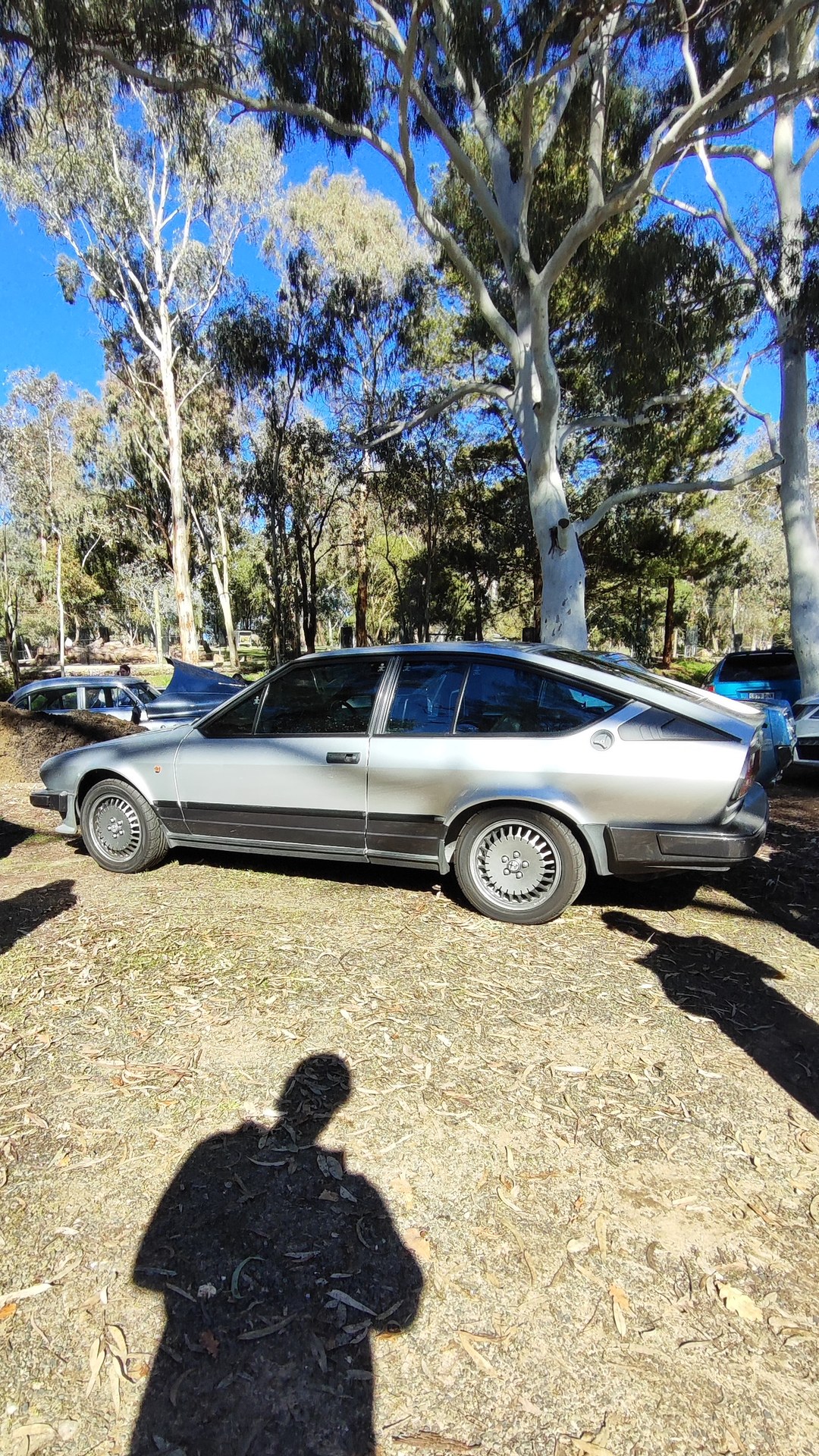

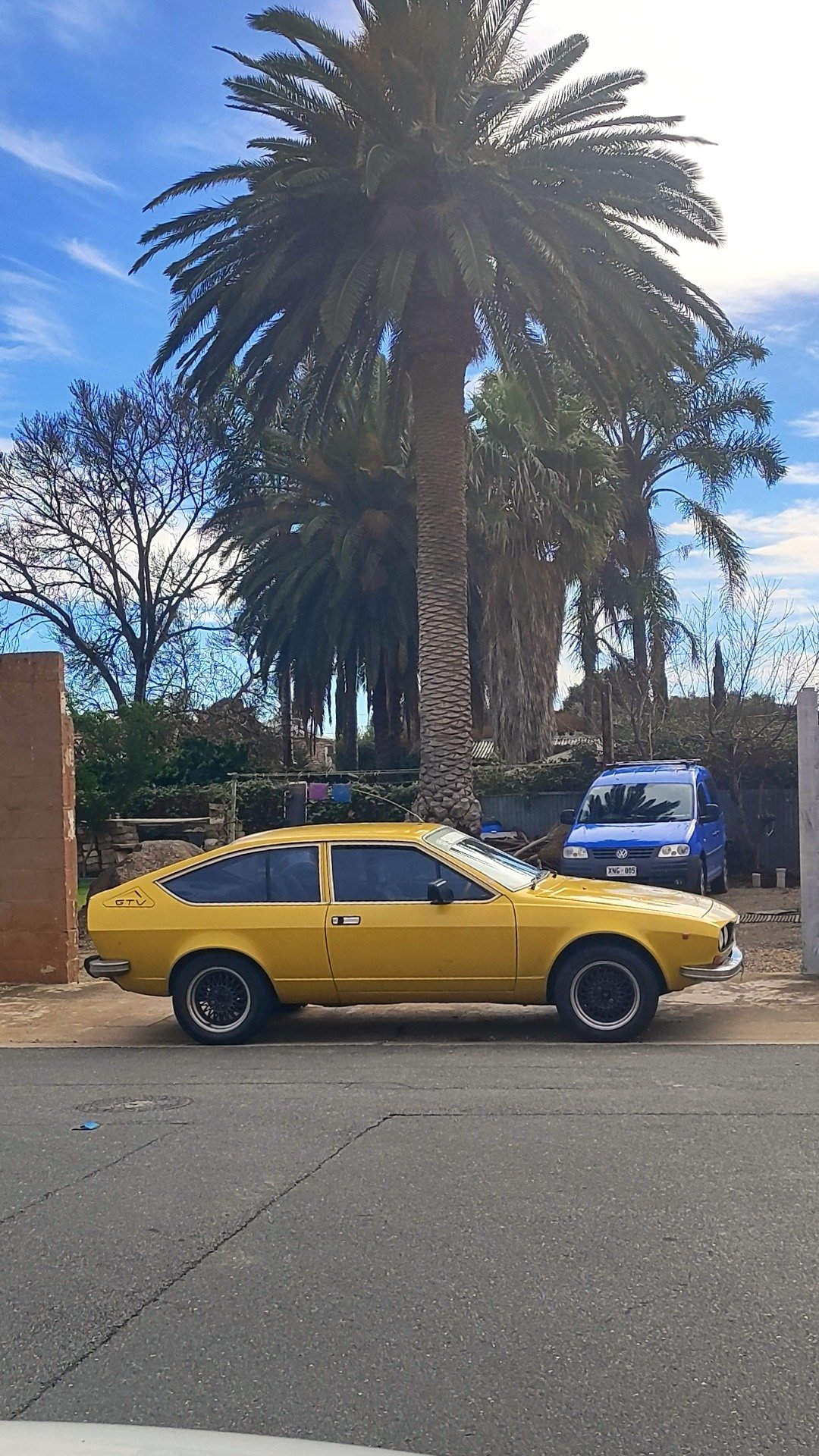
Adelaide Hills COFFEE RUN! Gumeracha, part 20 of 38. Alfa Romeo GTV · XA116N White Ford Falcon #1 Blue Ford Mustang 1st Gen #2 · RHD347
31 Aug
Adelaide Hills COFFEE RUN! Gumeracha, part 20 of 38. Alfa Romeo GTV · XA116N White Ford Falcon #1 Blue Ford Mustang 1st Gen #2 · RHD347
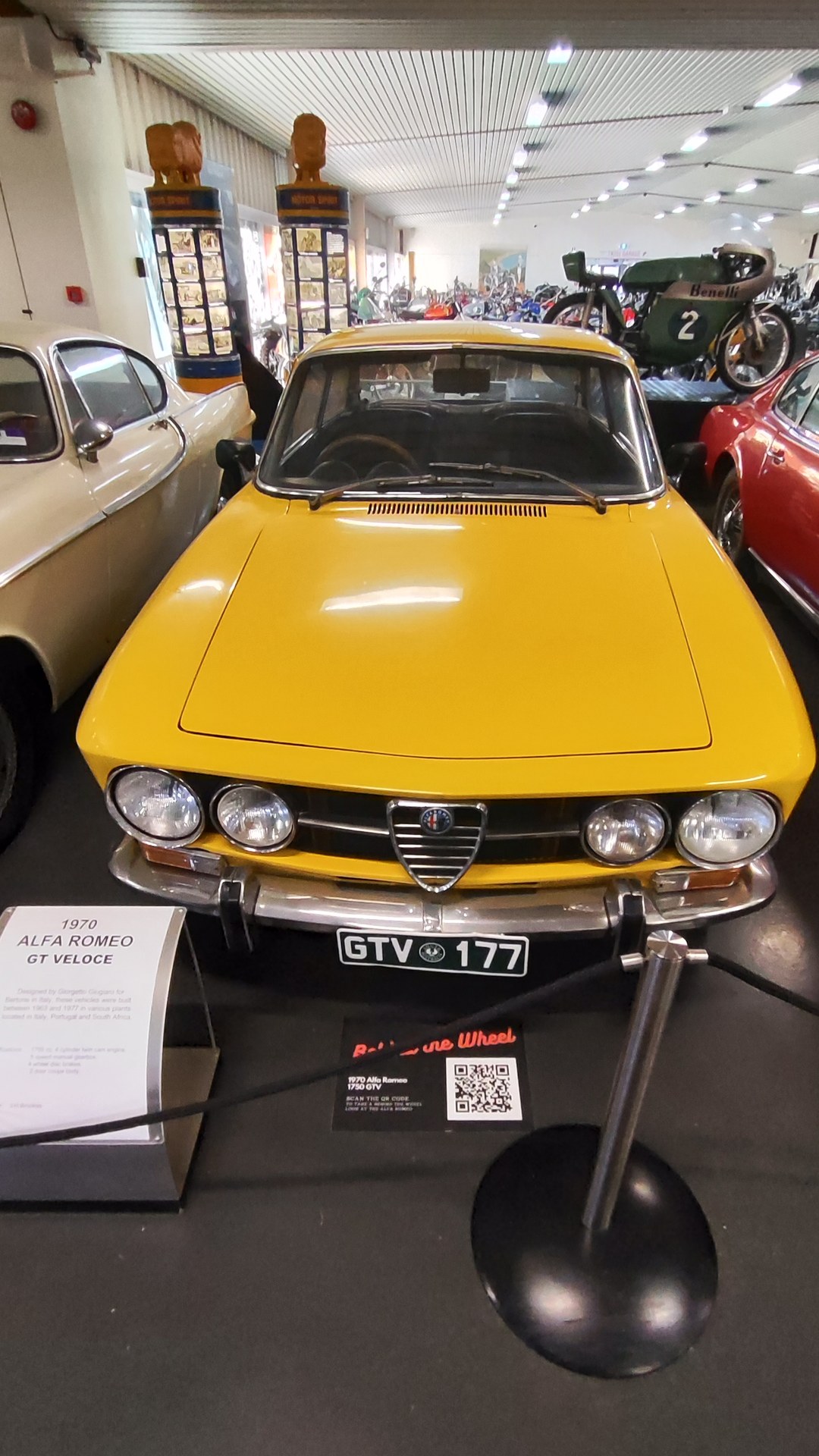
National Motor Museum, Birdwood. Part 9 of 18. 1964 TOYOTA TIARA RT20 SEDAN 1974 HONDA Civic Land Rover Series III 1970 ALFA ROMEO GT VELOCE 1974 Leyland Force 7 V Coupe 1949 HILLMAN Minx 4 door sedan. 1958 Morris Minor 1000 Saloon 1926/27 Garford Flat Top Truck 1927 Packard 5.26 Sedan 1926 Rolls Royce Twenty Horsepower
22 Aug
National Motor Museum, Birdwood. Part 9 of 18. 1964 TOYOTA TIARA RT20 SEDAN 1974 HONDA Civic Land Rover Series III 1970 ALFA ROMEO GT VELOCE 1974 Leyland Force 7 V Coupe 1949 HILLMAN Minx 4 door sedan. 1958 Morris Minor 1000 Saloon 1926/27 Garford Flat Top Truck 1927 Packard 5.26 Sedan 1926 Rolls Royce Twenty Horsepower
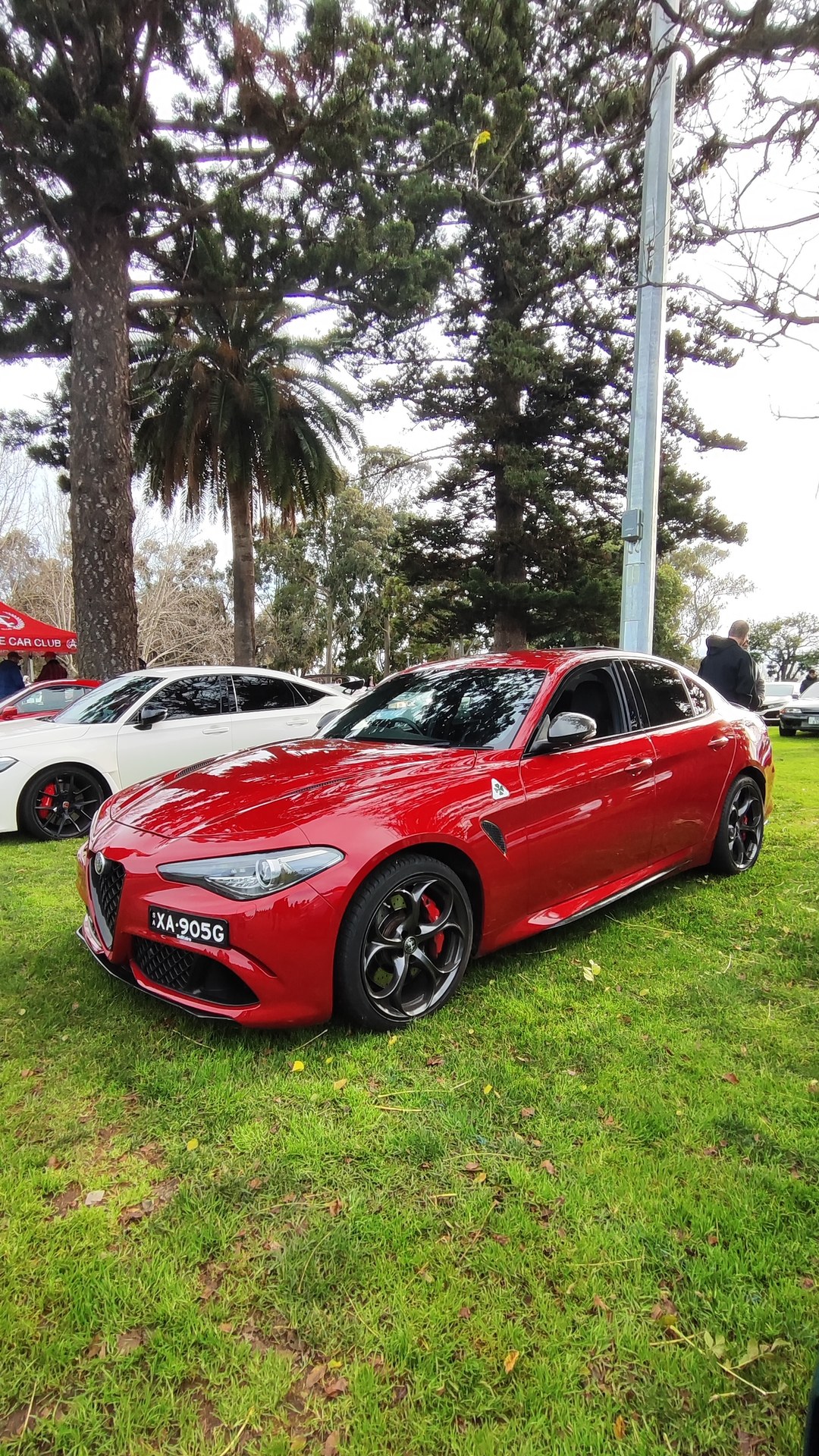
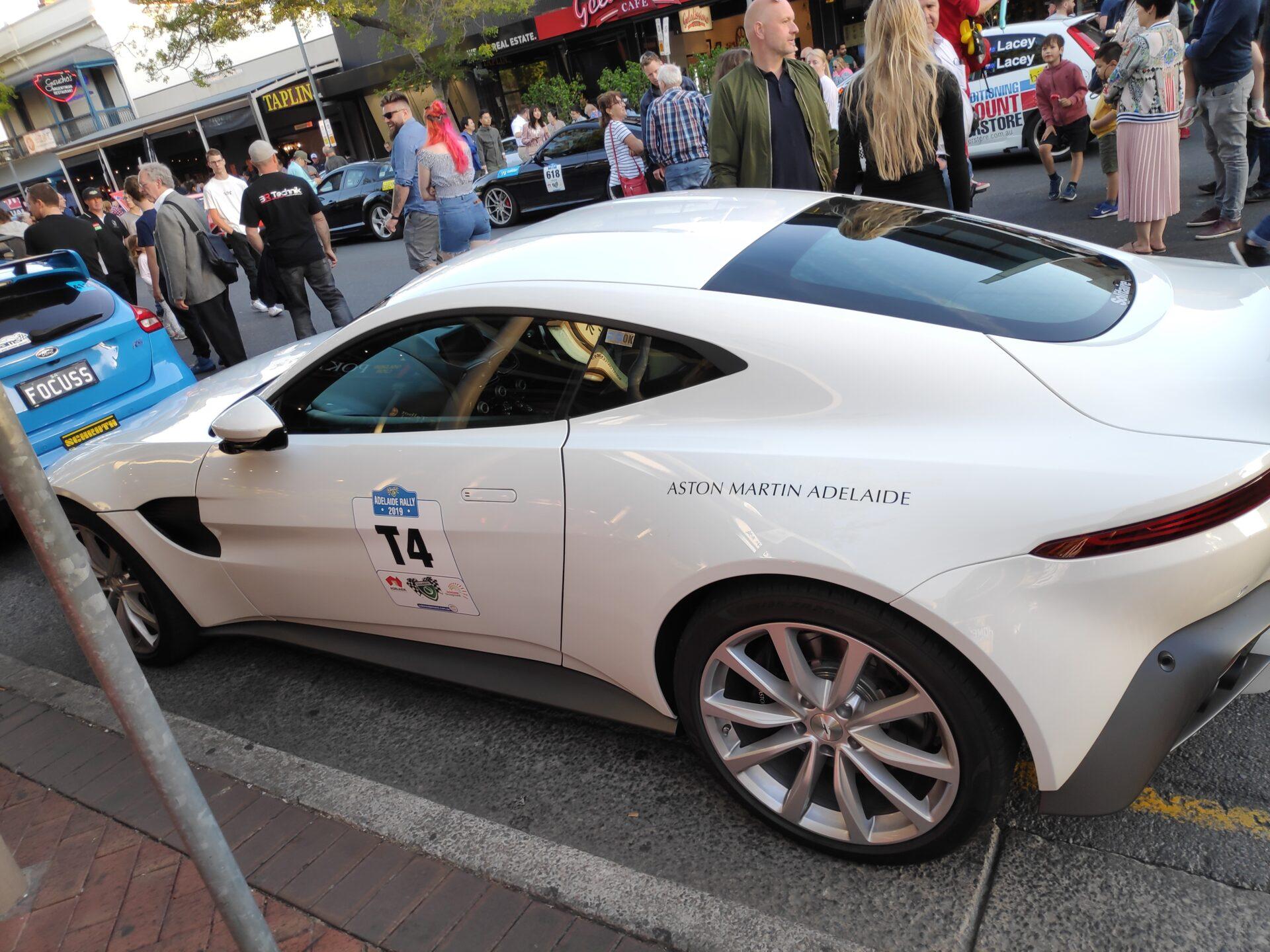
Vic Park Pitstop, 16 August 2026. Cars 445 to 456 of the day.
16 Aug
Vic Park Pitstop, 16 August 2026. Cars 445 to 456 of the day.
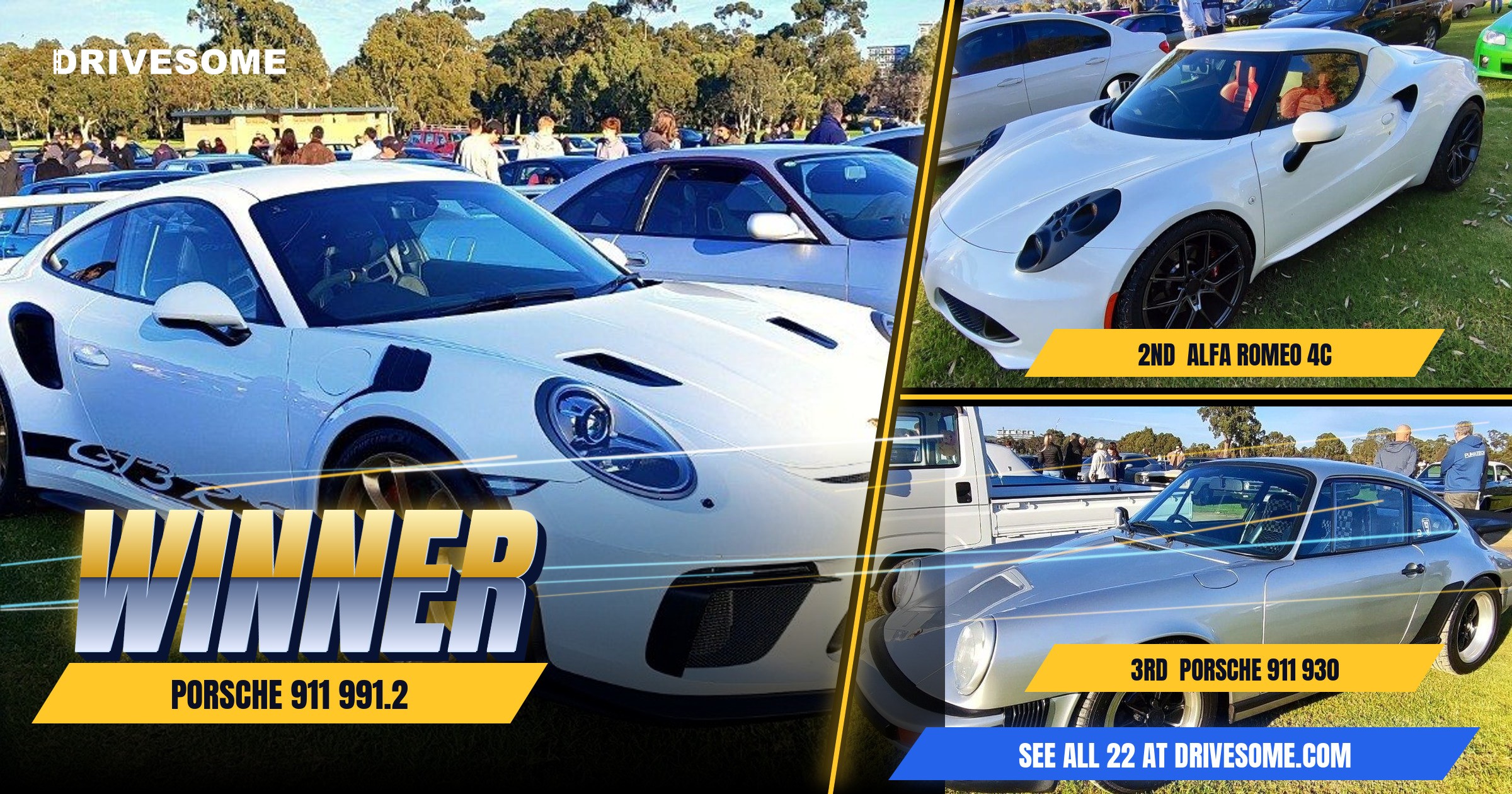
The votes are in. Your Vic Park Pitstop Virtual Car Show winners: 1st: Porsche 911 991.2 GT3 RS 2nd: Alfa Romeo 4C 3rd: Porsche 911 930 Full results at drivesome.com/virtual-car-shows/vic-park-pitstop-car-show-2026-06-27
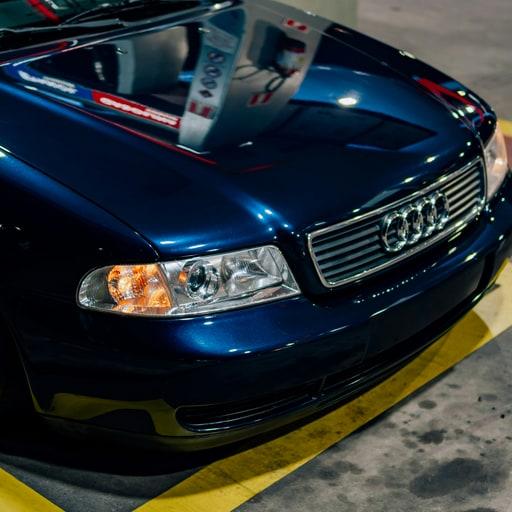
@throttlehouse bought a giulia quadrifoglio. brave. beautiful, but brave

@dougdemuro: The 2017 Alfa Romeo Giulia Quadrifoglio Is a Bargain Fast Sedan
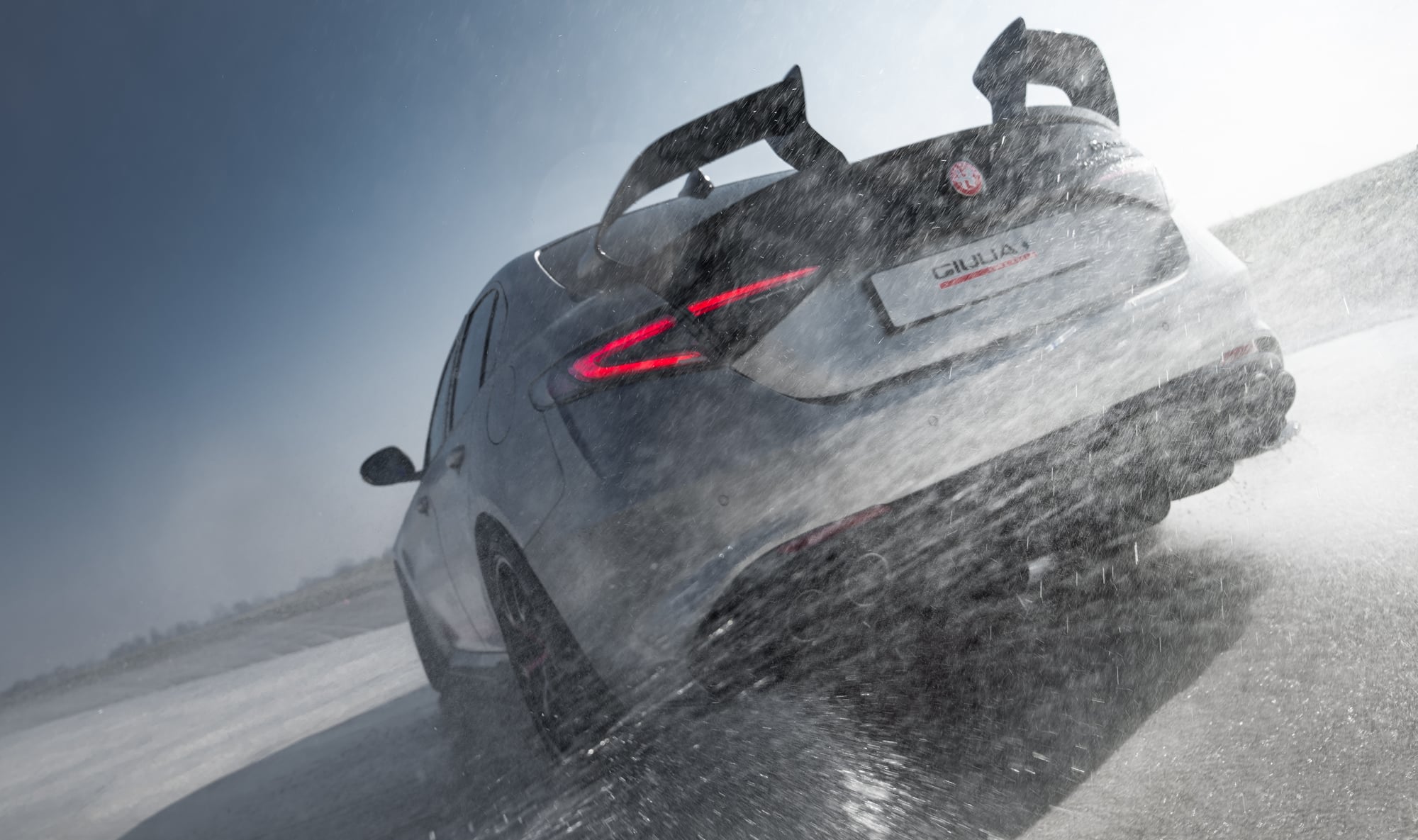
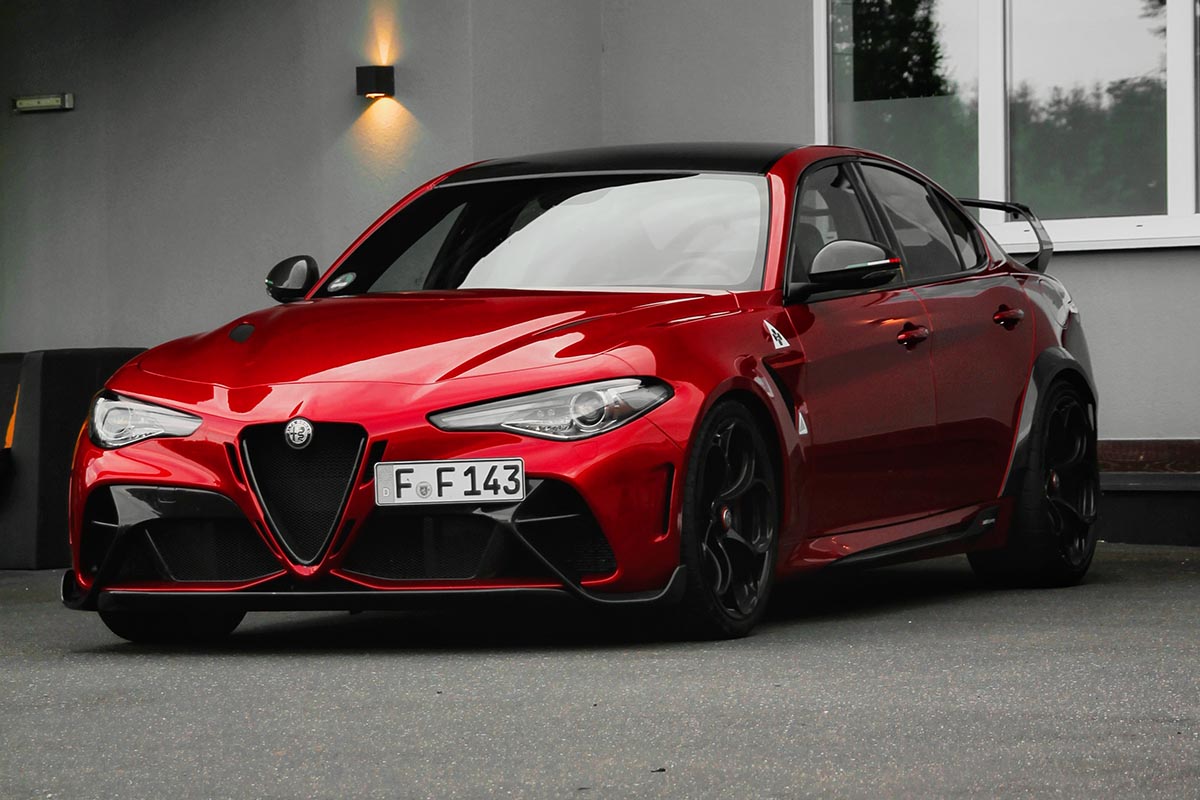
The Giulia Quadrifoglio Luna Rossa just finished its final test runs at Balocco. All ten units are already sold. And honestly, after seeing what Alfa Romeo has done here, that's not surprising at all. This car is the opening act of a partnership between Alfa Romeo and the Luna Ro
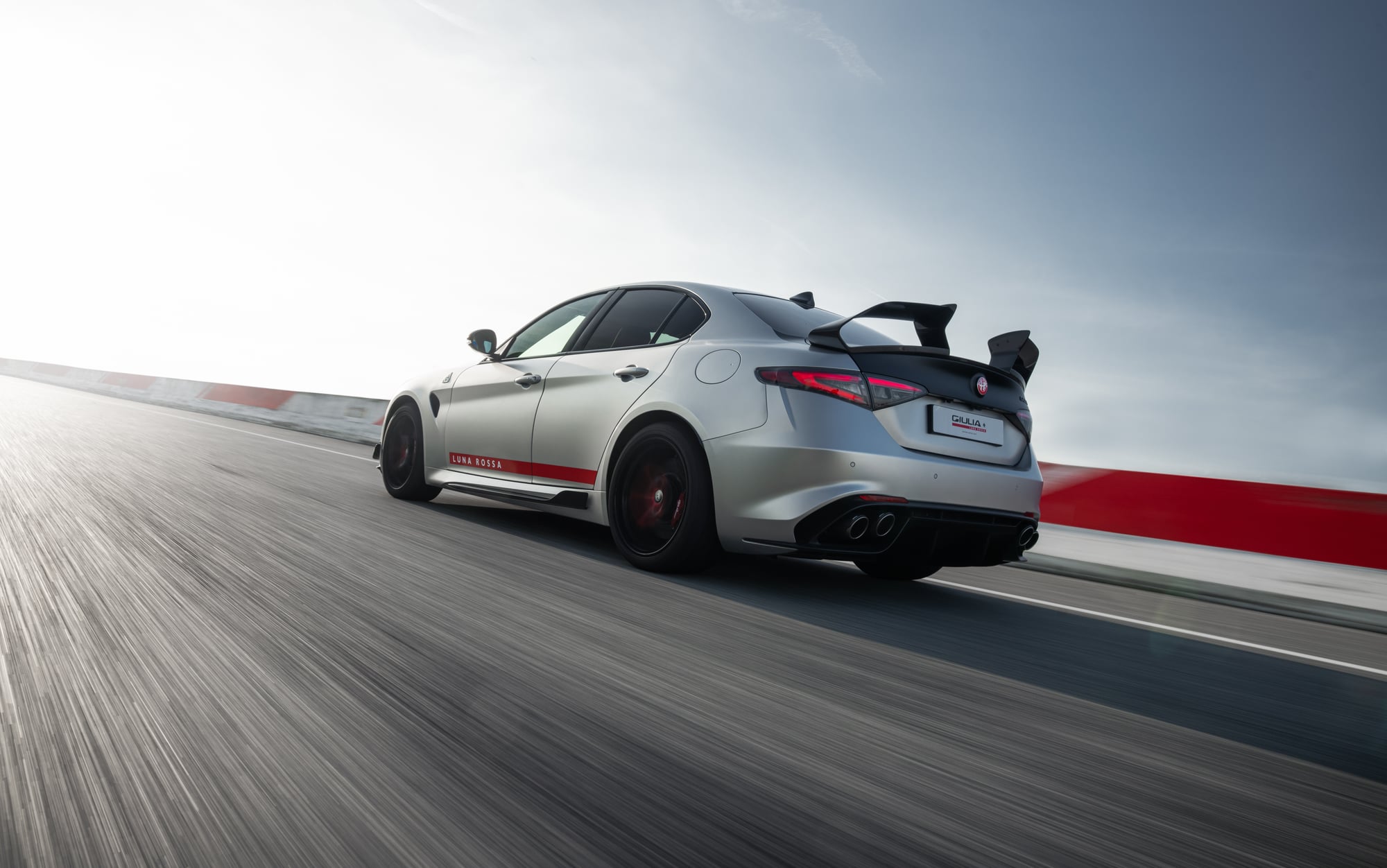
Look a the wing on the new Quadriforglio Luna Rossa. Full break down and info coming tomorrow.
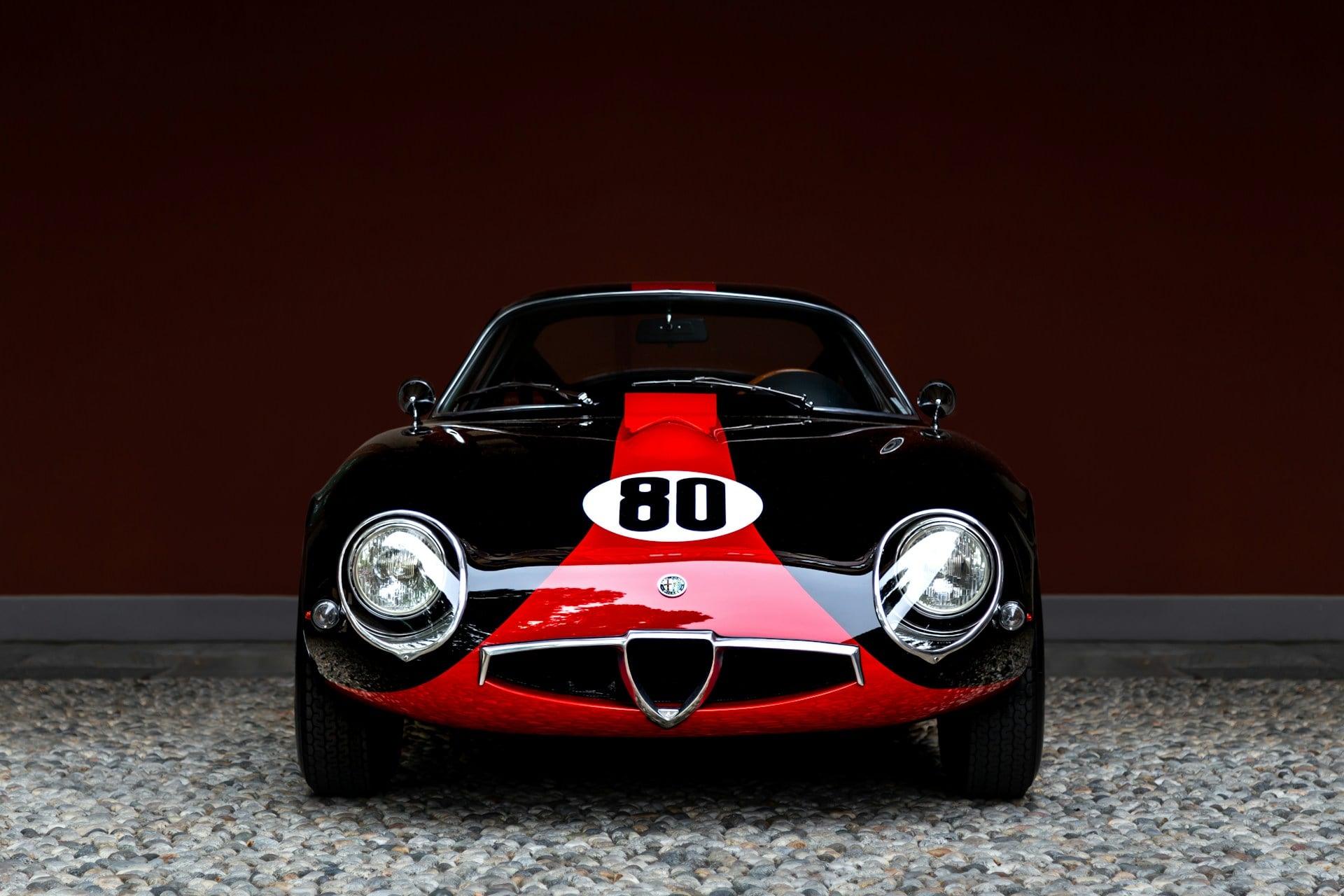
The "Baby GTO" Nickname: Because of its beautiful, curving fastback profile and massive giant-killing success on the track, the motoring world affectionately dubbed it the "Baby GTO" after the legendary Ferrari 250 GTO.