I studied marketing. Two years, a couple of diplomas. I am not claiming to be an expert but I understand enough to know when something is off. The Jaguar rebrand was off.
Not in a "brave risk that might pay off" way. In a "we have decided our existing customers are the problem" way.
What the Campaign Actually Said
The rebrand launch was noise-first, sense-second. No cars. No engineering. Just visual identity built around political signalling that had nothing to do with why anyone ever bought a Jaguar.
Jaguar's audience, however small and flawed, was built on English heritage, driving character, and a certain kind of aspirational cool. James Bond. Racing history. The idea that you had worked hard and rewarded yourself with something that had soul.
The rebrand said none of that matters anymore. In fact it suggested those values were the problem.
The Gillette Parallel Nobody Wants to Hear
Gillette did the same thing. For years they sold you confidence and attraction. Then they ran a campaign telling men they needed to be better, framing the behaviour of men as the fundamental issue.
I stopped buying Gillette. Not out of rage. Out of logic. Why spend money with a brand that frames you as the problem?
Jaguar did their version of that. They did not make a better car. They signalled to the people who wanted a Jaguar that those people were not the future. That stings differently when you have been emotionally connected to a brand your whole life.
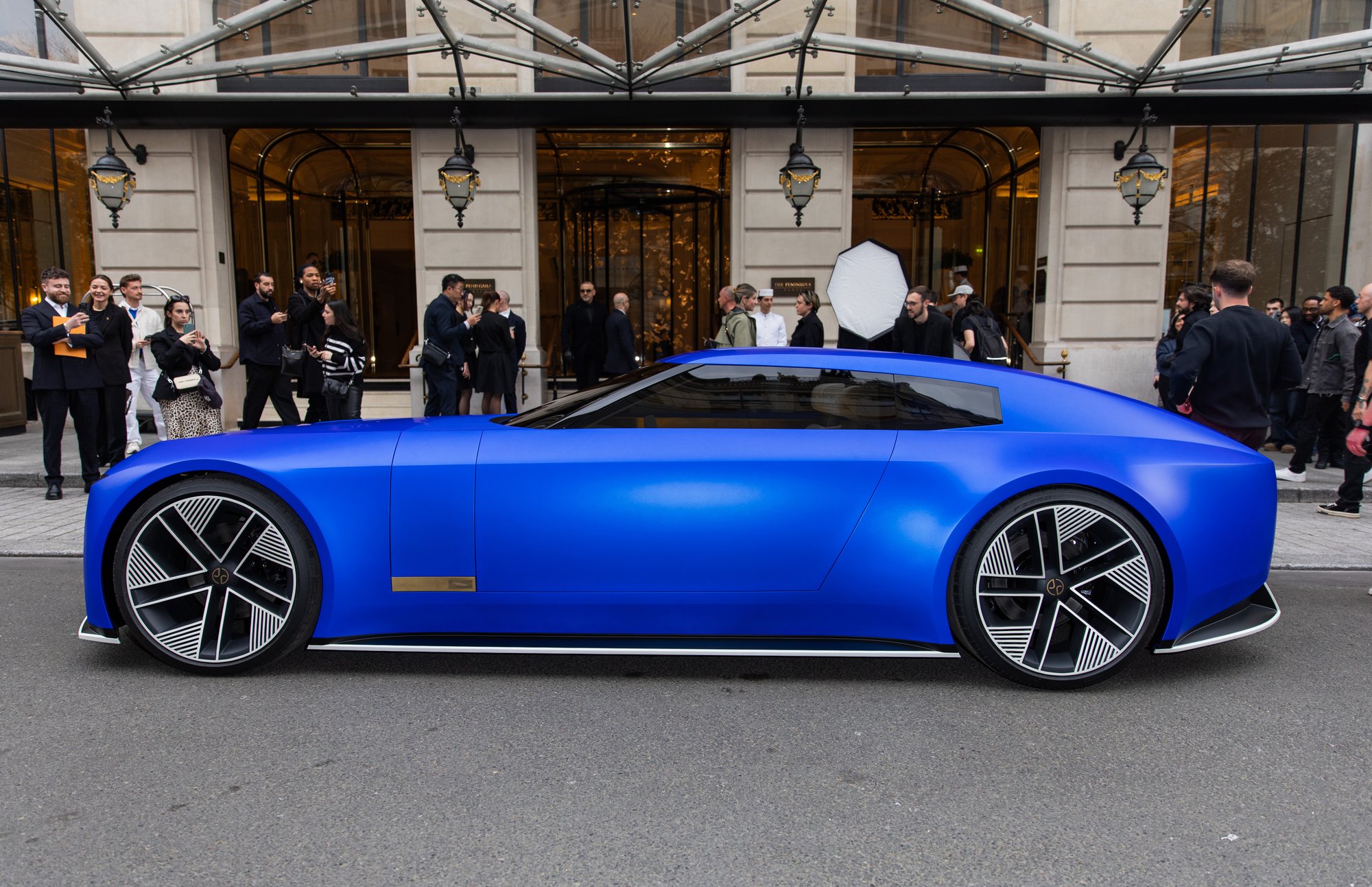
All Publicity Is Not Good Publicity
There is a version of this story where the controversy works. You generate massive noise, the curious come in, and you sell cars on the back of the attention.
That version requires the product to deliver when the attention arrives. The Cybertruck ran this exact playbook and it worked until people actually tried to live with it. Attention fades. The car has to carry it over the line.
So What Was the Strategy?
I genuinely cannot work out if this was a calculated demolition of the old Jaguar to build something entirely new, or whether someone in a boardroom convinced everyone that internet hate was free advertising.
Both interpretations are concerning.
You cannot burn your existing audience and then try to replace them with a six-figure electric car targeting a market so niche it barely registers. That is not a pivot. That is starting over with no customers and no goodwill.
When a CEO of 35 years walks out the door mid-rebrand, you have to ask whether the people making these calls genuinely believe in the direction. Or whether they are running from something.

