My dad drove a Series 1 XJ6 my entire childhood. Not as a show car. As a daily, worked on with his own hands, in the driveway every weekend. That car was the classroom and he was the teacher.
I learned how engines breathe, how to listen for a fault before it becomes a failure, and what it means to actually know your car. All of it happened under the bonnet of that Jaguar.
The Car That Built a Passion
That connection is why Jaguar has always sat differently for me than any other brand. It is not nostalgia for a logo. It is the smell of old leather and engine oil and my dad showing me something real.
But I never owned one. That is not an accident.
Great Shape, Nervous Soul
For most of Jaguar's life after the they were the car for middle-aged English blokes who wanted to look wealthier than they were. Gorgeous from the outside. A lottery ticket underneath. That reputation was not unfair. They earned it. Ford didn't help with that.
Then TATA came in and things genuinely shifted. The XF X250 landed in 2008 and it felt like a reset. Sharp lines, a modern cabin, and an actual sense that someone cared about the product.
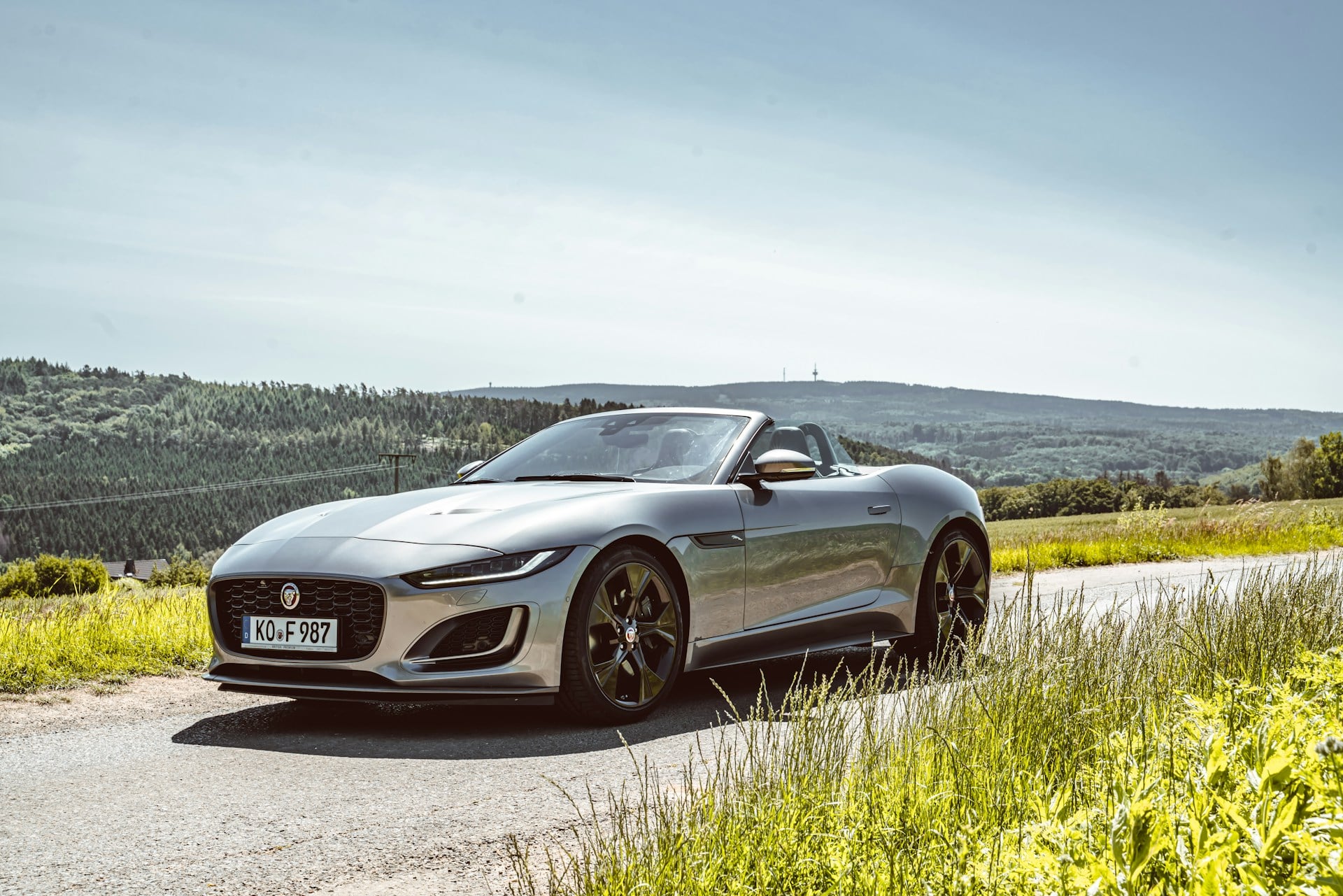
Then came the F-Type. Then the F-Pace. For the first time I did not just admire Jaguar from a distance. I wanted one in my own driveway.
The Complaints Started Rolling In
Then the ownership stories started filtering through. Warning lights. Electrical gremlins. That specific nervous feeling you get as a Jaguar owner wondering whether today is the day it gets expensive.
They became what I call a nervous car. Not impossible to love, but impossible to fully trust.
Just last week a Supercharged V6 F-Pace came up at auction. It went cheap, properly cheap. I sat on my hands. Sight unseen, at auction, on a car that could be one diagnostics session away from a five-figure repair bill. That is not a deal. That is a gamble.
The Loyal Audience They Never Earned
The genuinely frustrating part is that the ingredients were there. The F-Type is one of the best looking cars of the last two decades. The XF had real presence. The F-Pace made sense for the market.
The problem was never the design. It was the follow-through. Build quality that did not match the price. Reliability that quietly eroded trust with every service invoice.
Jaguar had a generation ready to cross over. People exactly like me, with the brand already in their blood from childhood. They just needed to make cars that worked.
They chose not to fix that. They chose something else entirely.

