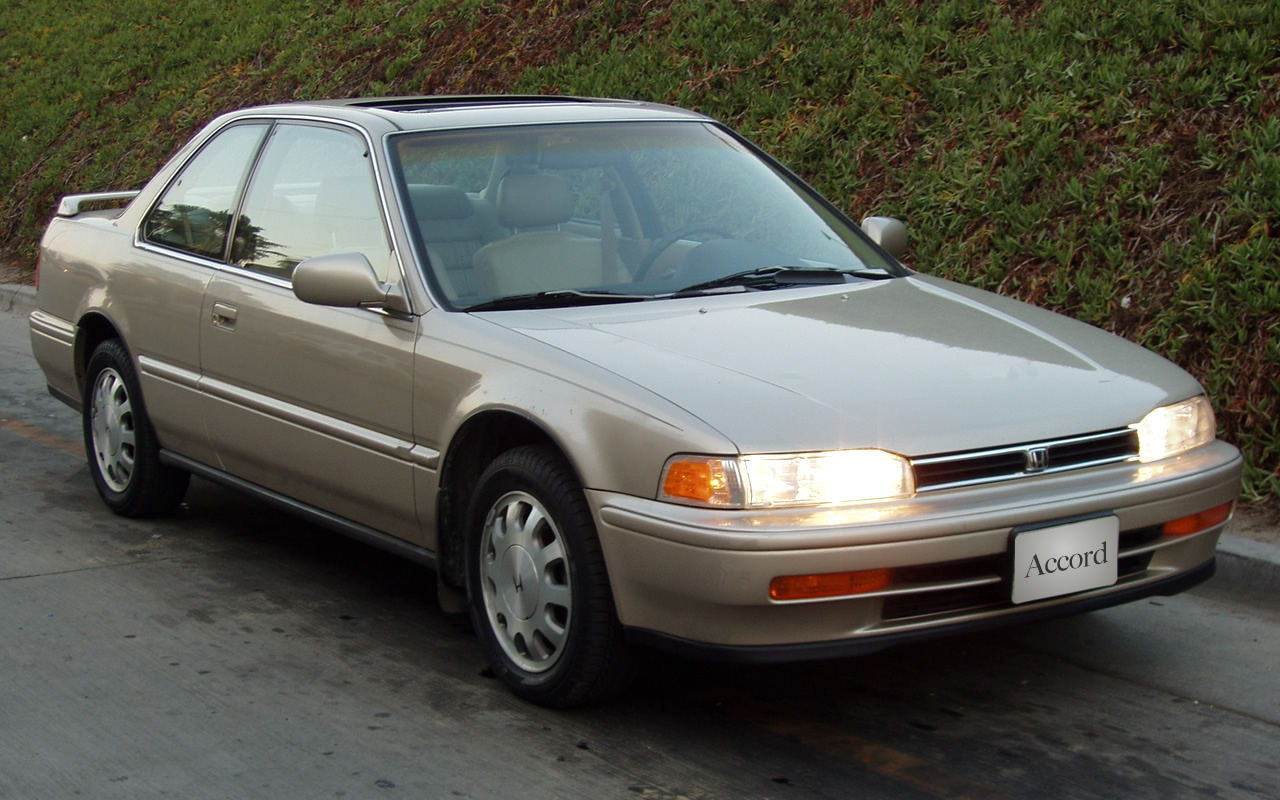
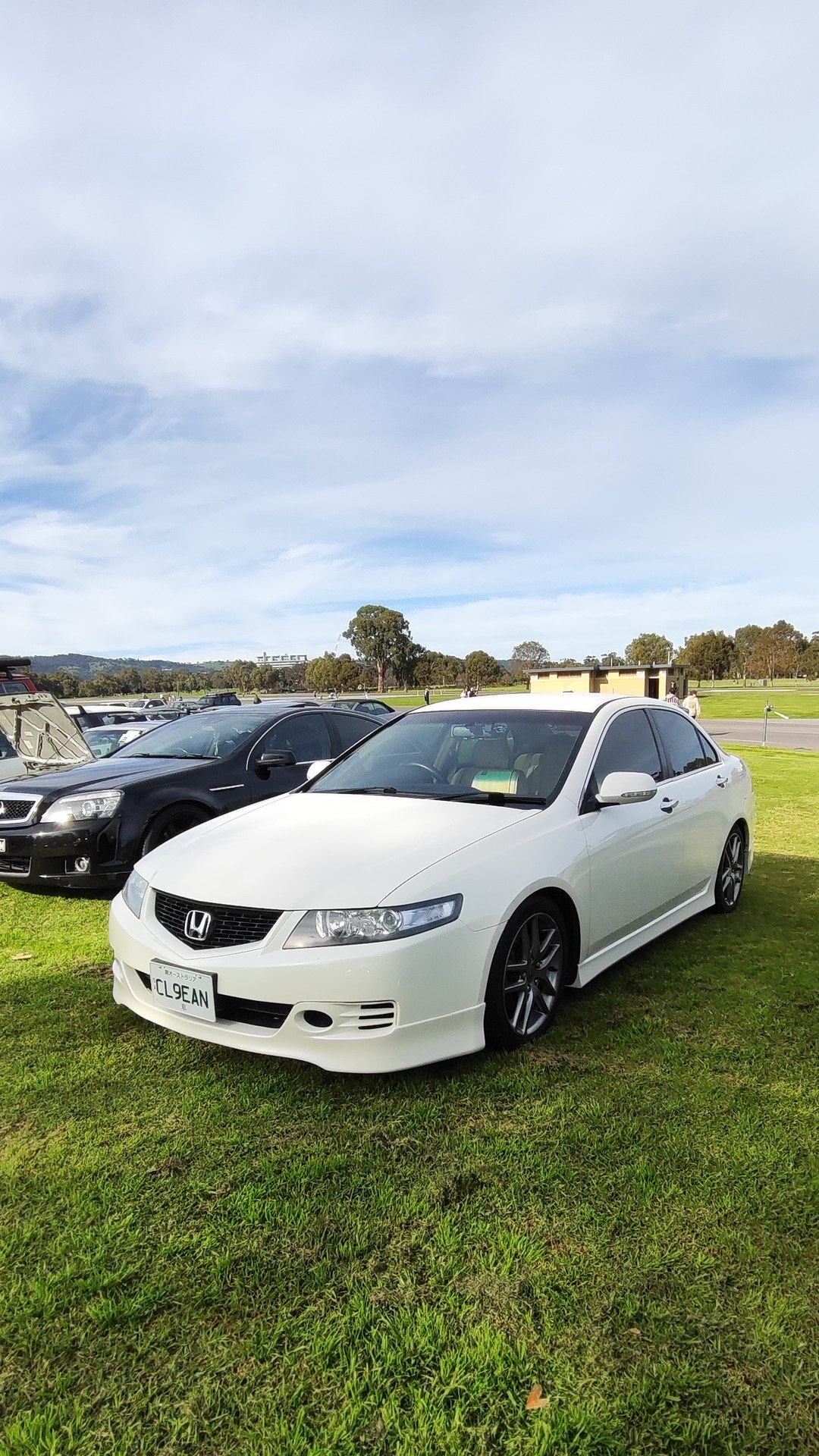
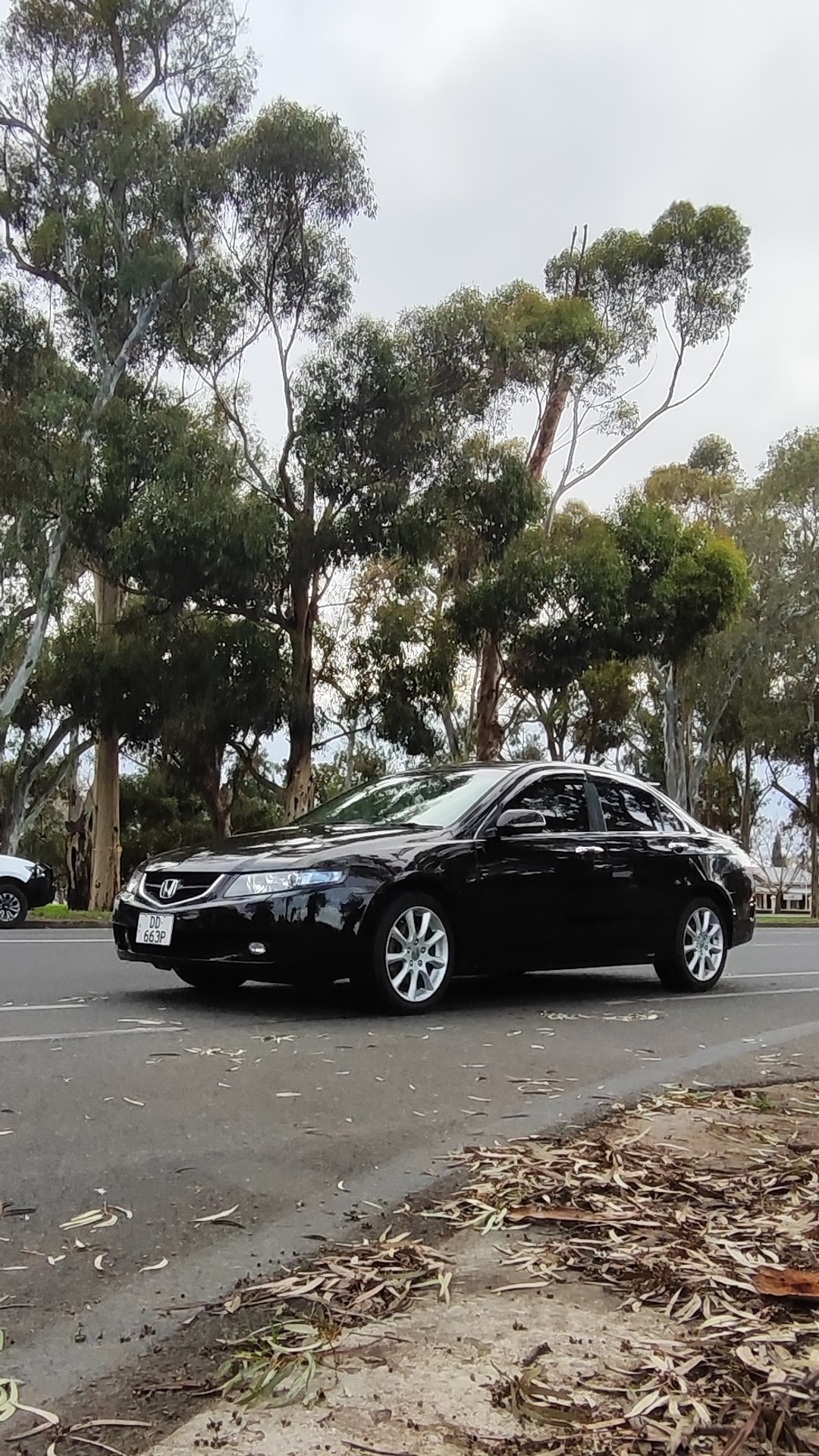
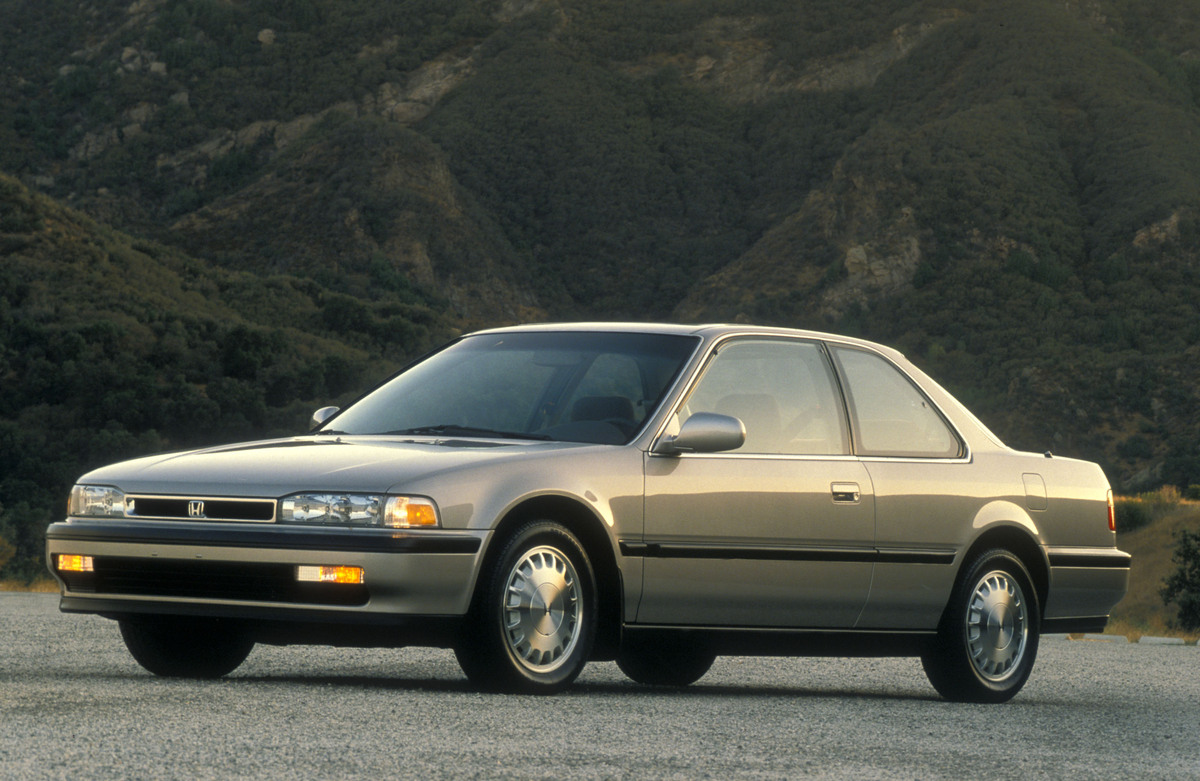
The sixth-generation Honda Accord, produced by Honda from September 1997 to 2003, was available in various body styles depending on the region. These included a four-door sedan, a two-door coupe, a five-door hatchback (Europe only), and a station wagon (Japan only), showcasing Honda's strategy to cater to different markets with specific models.
Notably, Honda divided the Accord lineup into distinct versions for the Japanese, North American, and European regions. This decision led to the discontinuation of the wagon in North America and the coupe in Japan. To meet the performance demands in different regions, Honda introduced specialized variants like the Type R for the Japanese market and the Euro R for the European market, providing enhanced driving experiences targeted at enthusiasts.
Additionally, the development of the sixth-generation Accord is linked to Honda's desire to compete with other performance-oriented vehicles like Subaru and Mitsubishi's Evo. It is hinted that Honda's UK division received the freedom to create a model that could rival these popular competitors, resulting in the introduction of performance-oriented versions such as the Type R and Euro R.
In summary, the sixth-generation Honda Accord showcased Honda's adaptation to regional market preferences by offering a diverse range of body styles and specialized performance variants. This strategic approach allowed Honda to cater to a broader audience and compete effectively with other prominent automotive manufacturers.