Jaguar has a name for its all-electric four-door GT. It's called the Type 01. The reveal landed this week, and on paper the story Jaguar is telling is a compelling one. In practice, the car community remains largely unconvinced and the numbers will eventually tell us whether that matters.
What Jaguar Says
The Type 01 name is loaded with intent. The "Type" designation is a deliberate nod to the C-type, E-type and F-TYPE lineage. The "0" stands for zero tailpipe emissions, and the "1" marks this as the first car of what the brand is calling a new chapter. Managing Director Rawdon Glover described the zero as representing "a complete brand reset." That choice of words, reset, is perhaps more honest than intended.
Before a single prototype wheel turned, Jaguar engineers reportedly spent time in May 2023 driving some of the brand's most celebrated cars including the XK120, E-type, XJ Coupe V12, XJS and XJ Series I. The exercise, which Jaguar is calling the "Spirit of Jaguar Drive," was designed to identify the DNA that should carry forward into the new car. The result, they say, is a machine with two characters: serious performance and genuine refinement in one package.
The numbers behind the Type 01 are hard to dismiss. Tri-motor technology producing more than 1,000PS and over 1,300Nm of torque. Intelligent torque vectoring with software reacting in under one millisecond. Dynamic air suspension paired with twin-valve active dampers. On paper, this is a seriously capable machine.
What the Car Looks Like
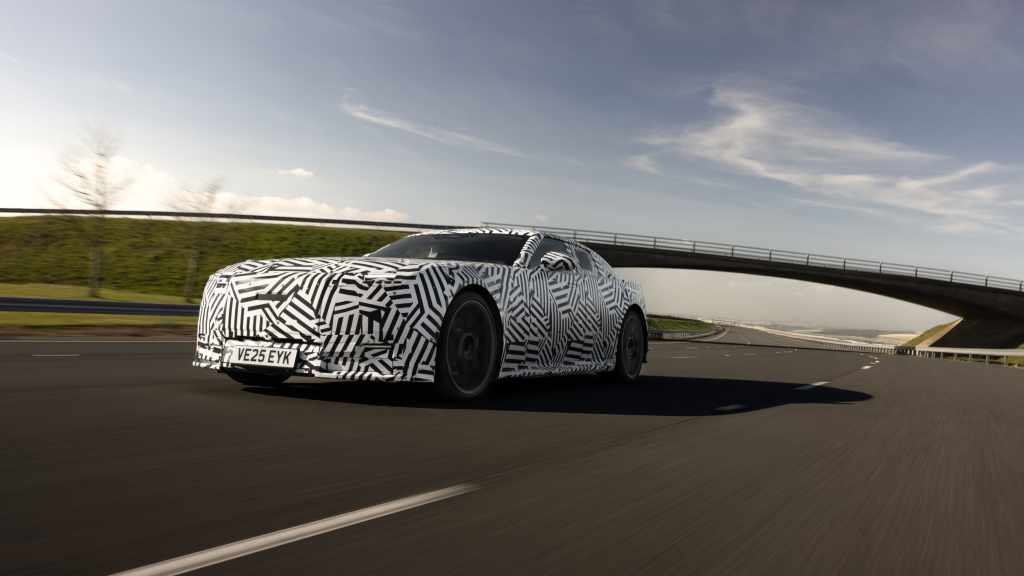
Here is where the conversation gets complicated. The prototypes appearing at the Monaco E-Prix this month, wearing camouflage wraps, have done little to settle the debate that has been raging since the brand's Type 00 concept debuted in late 2024. What the enthusiast community sees is a large, upright, four-door saloon that reads less as a Jaguar and more as a challenger to Rolls-Royce and Bentley. The long bonnet and low roofline that Jaguar's engineers describe as visual links to the past are present, but the overall proportions feel closer to American luxury than to the lean, predatory shape that defined the brand for generations.
Whether that comparison is fair will only be answered when the full reveal happens, currently scheduled for September this year. But first impressions in the enthusiast world carry weight, and right now those impressions are not warm.
The Bigger Problem: The Fanbase
The more difficult question for Jaguar is not whether the Type 01 is a good car. It may well be. The harder question is whether the people who cared most about the brand still care at all.
The decision to stop selling cars entirely during the transition period, combined with a rebrand that many long-term fans found alienating, burned through a significant amount of goodwill. Loyal Jaguar owners who had followed the brand across decades felt, fairly or not, that the company had chosen to walk away from them rather than bring them along. That sentiment is not easy to undo with a name reveal and a prototype at Monaco.
Jaguar is now targeting a customer who likely never owned a Jaguar before. That is a legitimate strategy. Plenty of luxury brands have successfully repositioned upmarket. The risk is that the new target customer already has a Bentley, already has a Rolls-Royce, and has every reason to stay there. The existing enthusiast base, the people who would have been the loudest ambassadors for any new Jaguar, are currently the loudest critics.

Should This Have Been a New Brand?
It is a question that keeps surfacing in enthusiast communities around the world: would Tata Motors have been better served launching an entirely new luxury EV brand rather than transforming one with 90 years of identity attached to it?
The argument for a new brand is straightforward. You start clean. No legacy expectations, no alienated loyalists, no comparisons to the E-type hanging over every design decision. Brands like Genesis have shown it is possible to build credibility from scratch in the luxury space if the product is genuinely excellent.
The counter-argument is that the Jaguar name still carries global recognition, particularly in markets like China, the Middle East and North America, that money simply cannot buy. Rebuilding that recognition under a new name would take years and cost more than any rebrand.
Both arguments have merit. The one that wins will depend entirely on whether the Type 01, when it arrives in showrooms, genuinely competes with the best that Bentley and Rolls-Royce produce. A strong product can silence a lot of criticism. A product that falls short will validate every sceptic who warned against this path.
The Verdict, For Now
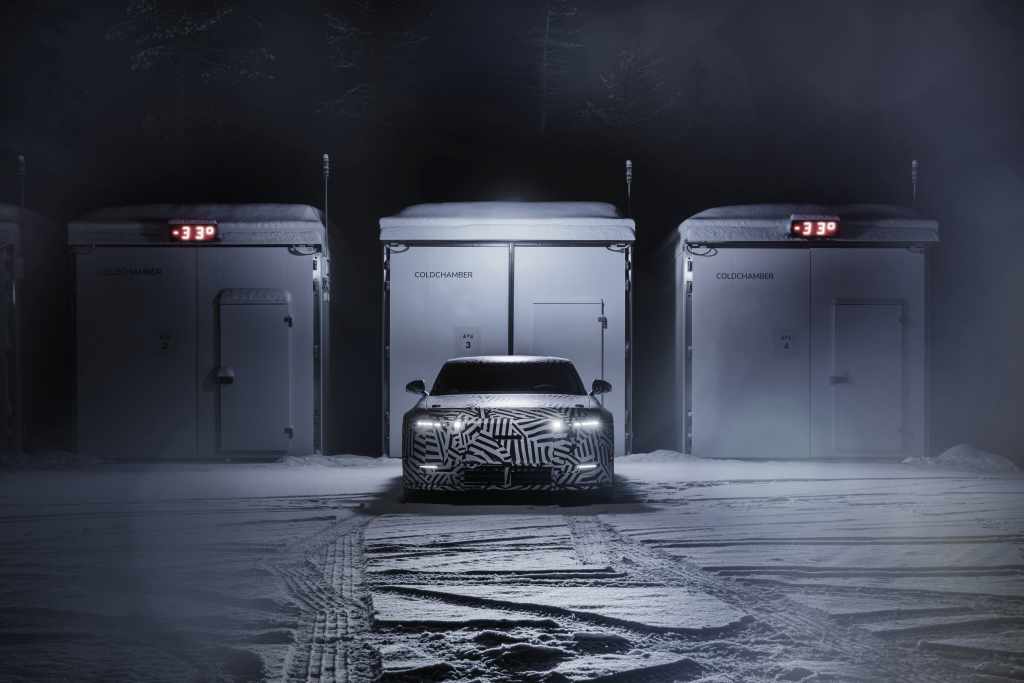
Jaguar Type 01 has the spec sheet, the heritage framing, the engineering story and the Monaco appearance lined up. What it does not yet have is proof. The full reveal in September will be one of the most watched moments in the car world this year, not because everyone is hoping it succeeds, but because the argument is genuinely unresolved.
The road back from a reset of this scale is long. Jaguar is only at the beginning of it, and the community watching is divided, sceptical and, in many cases, still grieving the brand that was.
September will tell us a lot.